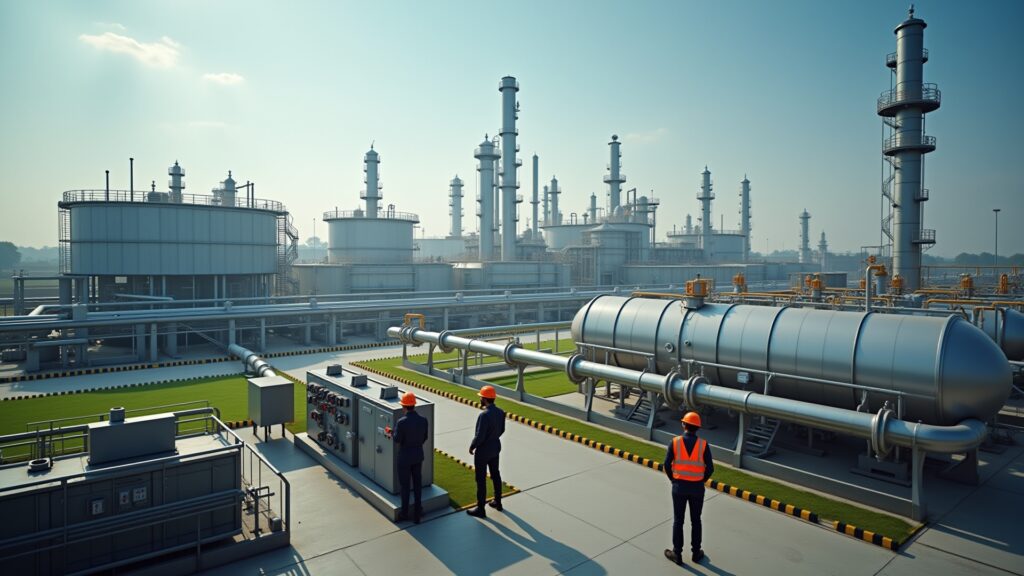
You are at a pivotal moment in the chemicals industry, where innovation and operational agility are no longer optional—they are critical to sustaining competitive advantage. BASF’s launch of the world’s first catalyst production plant constructed with 3D printing technology is far from a mere technological novelty. It represents a profound strategic shift that you, as a chemical business leader or investor, need to understand deeply. This breakthrough not only enhances catalyst performance but also rewrites the rules for manufacturing flexibility, supply chain resilience, and sustainability in chemical production.
Why BASF’s 3D-Printed Catalyst Plant Matters to You
If your business revolves around specialty chemicals, catalysts, or industrial chemical production, BASF’s innovation signals a transformation in how you should think about manufacturing economics and competitive positioning. Catalysts are the chemical industry’s silent workhorses—directly impacting process efficiency, cost structures, and product quality. By adopting 3D printing, BASF is adopting a game-changing approach to catalyst design and production that could shift industry standards on both performance and sustainability.
This innovation is also a compelling lens for how you assess supply chain strategies amid ongoing geopolitical uncertainty, rising feedstock costs, and evolving sustainability regulations. The ability to localize and digitize catalyst manufacturing can offer your operations unprecedented agility, reduce lead times, and lower dependency on traditional large-scale centralized plants. For markets like India, rapidly emerging as a chemicals and petrochemicals hub, such technologies could accelerate export competitiveness and industrial growth.
What Is Happening: BASF’s Leap into Additive Manufacturing for Catalysts
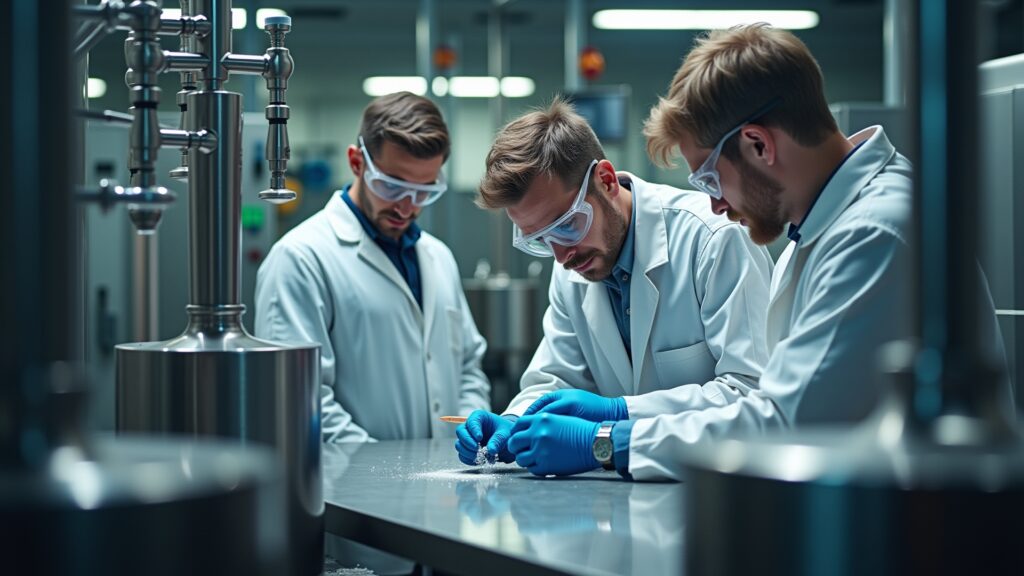
BASF’s new plant leverages additive manufacturing to fabricate catalysts with highly intricate geometries that traditional methods cannot replicate easily. This enables customization and optimization of catalyst structures, directly improving their catalytic activity and durability while potentially minimizing raw material consumption and energy input.
Instead of relying on molding or shaping techniques that limit design complexity, 3D printing allows BASF to rethink catalyst architecture from the ground up. The result is a production process that is not only more efficient but inherently more adaptable—enabling smaller-scale, modular manufacturing models tailored to shifting customer demands and supply chain constraints.
Industry and Market Implications: More than Just a Technological Upgrade
You should recognize this advance as integral to broader shifts in chemical manufacturing economics and global trade dynamics. The catalyst is central to specialty chemicals segments—automotive, pharmaceuticals, construction materials, and more—all sectors experiencing rapid change and heightened sustainability expectations.
By optimizing catalyst production with 3D printing, BASF addresses multiple business levers simultaneously:
- Operational excellence: Improved catalyst performance reduces energy and feedstock intensity, directly impacting profitability.
- Supply chain resilience: Smaller, local plants reduce exposure to geopolitical disruptions and freight volatility while enabling China+1 diversification strategies.
- Sustainability wins: Material efficiency and energy savings align with tightening environmental regulations and corporate ESG goals.
Strategic Analysis: Why This Matters for Your Business Strategy
Integrating 3D-printed catalysts into your manufacturing or investment strategy means embracing a new paradigm of digital transformation and operational flexibility. This technology is a tangible example of how specialty chemicals companies can combine chemical expertise with advanced manufacturing to differentiate in a crowded market.
“The real edge is not only in producing more, but in producing smarter, cleaner, and closer to where demand is shifting.”
Aligning your capacity expansion with such innovations will also help you hedge against the volatility of petrochemical feedstock prices and enhance responsiveness to fast-evolving end-use demand patterns.
Practical Takeaways: What You Should Do Next
- Assess your portfolio: Consider how advanced processes like 3D printing can improve your catalyst or chemical product lines.
- Evaluate supply chain models: Explore opportunities for localized, flexible production that reduce risk and improve customer responsiveness.
- Invest in partnerships: Seek collaborations with technology providers and research institutions pioneering additive manufacturing in chemicals.
- Engage policymakers: Advocate for supportive regulatory frameworks that incentivize manufacturing modernization and sustainability.
- Monitor market shifts: Keep close watch on feedstock price trends and geopolitical developments that impact global chemical trade.
Expert Insight
“In the chemicals industry, resilience is built as much through procurement and process discipline as through scale.”
“When feedstock strategy, manufacturing efficiency, and market timing align, chemicals growth becomes far more defensible.”
Risks and Challenges: Proceeding with Clear Eyes
While promising, 3D-printed catalyst production faces hurdles around commercial scalability, regulatory acceptance, and ensuring consistent product quality at volume. As an industry leader, you must weigh these factors carefully when considering capital allocation and technology adoption.
Moreover, integrating such cutting-edge manufacturing requires robust change management and skilled workforce development—none of which can be overlooked.
What You Should Watch Next
Track BASF’s rollout and scaling efforts closely, alongside emerging regulations and industry standards related to additive manufacturing in chemicals. Pay attention to how competitors and innovators adapt their supply chains and production strategies in response.
Additionally, monitor advancements in digital twin technologies, AI-driven process control, and materials innovation that can complement your investments in 3D printing to further drive cost efficiencies and product excellence.
Conclusion: BASF’s 3D-Printed Catalyst Plant and Your Strategic Opportunity
BASF’s world-first 3D-printed catalyst plant is more than a milestone in chemical manufacturing technology—it is a clear signal for you to rethink capacity expansion, supply chain agility, and sustainability in your business. In an industry defined by complexity and volatility, this innovation offers a path to operational excellence, product differentiation, and resilient growth.
By embracing additive manufacturing and digital transformation, you not only enhance your competitiveness but also position your organization to lead in a rapidly evolving chemical landscape.