When you consider the strategic moves shaping the industrial gases landscape, Linde’s decision to build a new air separation facility in North Carolina is far more than a routine expansion. This development carries profound implications for your supply chains, capital strategies, and competitive positioning in the chemicals sector—especially if you are operating in specialty chemicals, petrochemicals, or industrial manufacturing hubs.
Why This Development Matters to You
For business leaders and investors in the chemicals industry, reliable access to industrial gases like oxygen, nitrogen, and argon is foundational. These gases are critical inputs across diverse manufacturing processes, from petrochemical cracking to specialty chemical synthesis and medical applications. Linde’s strategic expansion underscores shifting supply chain paradigms that directly impact your cost structures, operational agility, and ability to meet evolving customer demands.
A facility closer to key southeastern U.S. industrial hubs means you gain from reduced logistics costs and mitigated risks tied to centralized, longer-haul supply lines. The move signals a broader industry drive toward supply chain localization, energy-efficient production, and resilience—elements you cannot afford to overlook in today’s volatile macroeconomic environment.
The Core of What’s Happening
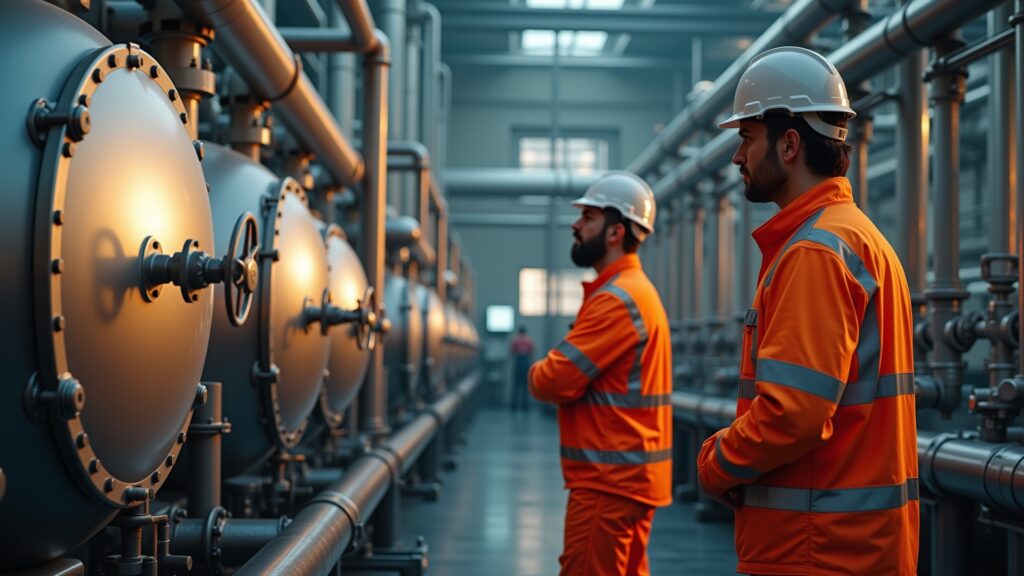
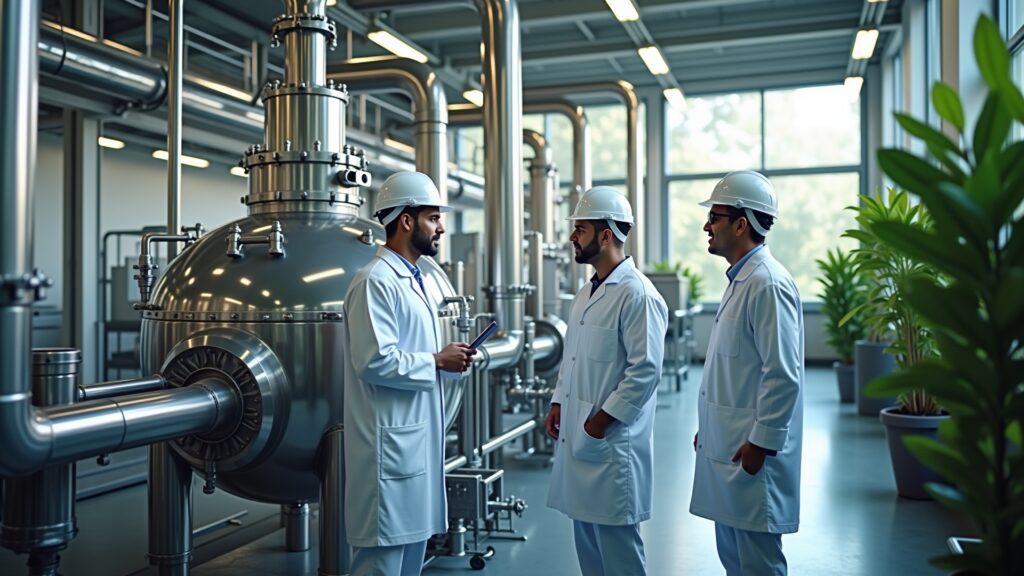
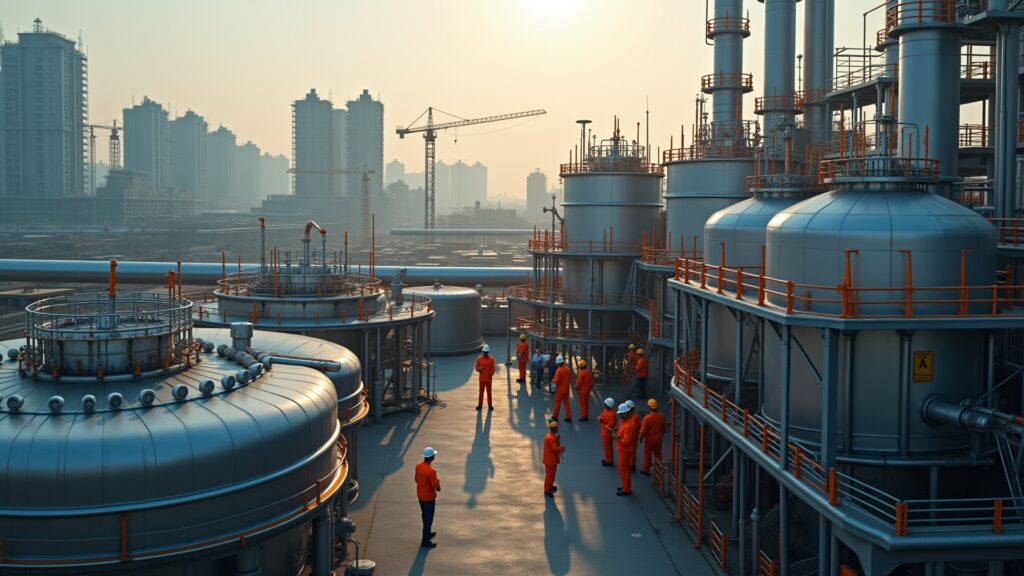
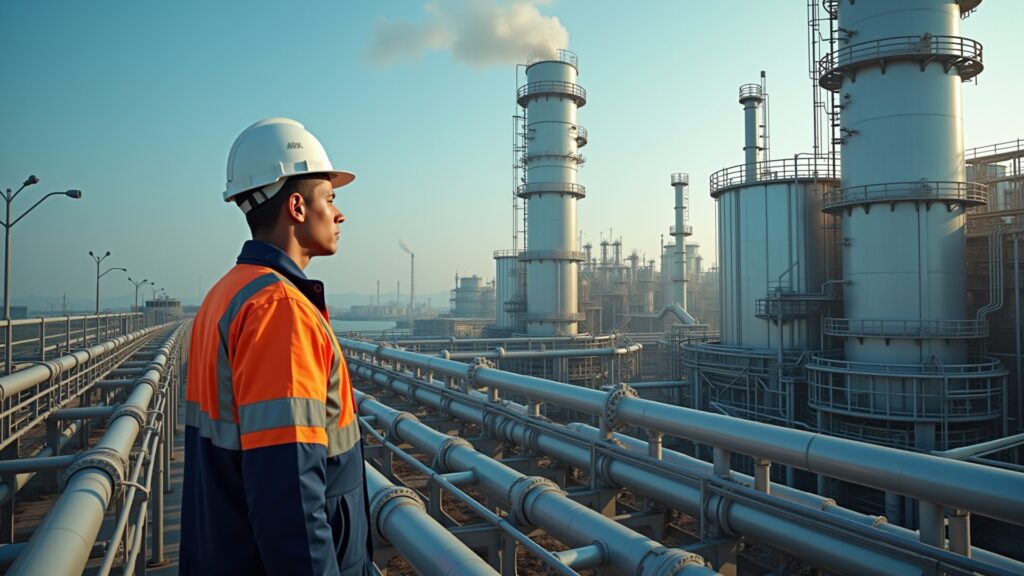
Linde’s new air separation unit (ASU) will produce essential industrial gases by separating atmospheric air into its components—oxygen, nitrogen, and argon—using cryogenic distillation technology. Unlike incremental capacity increases, this plant is positioned near burgeoning manufacturing clusters in North Carolina, a region showing rising demand fueled by petrochemical plants, specialty chemical complexes, and advanced manufacturing sectors.
The rationale extends beyond capacity; it reflects a strategic realignment toward geographic diversification. Linde aims to buffer its supply chain against disruptions and energy price spikes seen globally in recent years, while providing customers with flexible, scalable service options.
Key Business and Market Impacts
- Supply Chain Resilience: By establishing local production near high-demand clusters, this facility reduces your exposure to freight volatility and port congestion, ensuring steadier gas supply.
- Cost Efficiency: Proximity enables decreased transportation and storage costs, making your raw material sourcing more competitive in margin-sensitive markets.
- Strategic Positioning: This move positions Linde and, consequently, you, to benefit from regional growth in specialty chemicals and petrochemicals amid China+1 sourcing shifts.
- Environmental and Regulatory Alignment: Operating close to demand centers supports lower carbon footprints for gases delivered and aligns with emerging green chemistry mandates.
Deeper Strategic Insights
Consider Linde’s investment through the lenses of capital allocation and portfolio resilience. Amid fluctuating feedstock availability and energy costs, locking in production capacity within stable, resource-advantaged locations is paramount. This facility signals a bet on the Southeast U.S. as a rising industrial cluster leveraging infrastructure and workforce advantages.
More critically, it illustrates how industrial gas suppliers like Linde are evolving beyond commodity providers into strategic partners supporting next-generation manufacturing processes. Localization enhances your ability to innovate with supply flexibility—crucial for specialty chemicals requiring fine-tuned gas purity and just-in-time delivery.
“In the chemicals industry, resilience is built as much through procurement and process discipline as through scale.”
“The real edge is not only in producing more, but in producing smarter, cleaner, and closer to where demand is shifting.”
Practical Takeaways for Your Business
- Evaluate your current industrial gas supply chains for vulnerabilities exposed by long-haul logistics and centralized production.
- Consider strategic partnerships with suppliers expanding capacity in regions aligned with your manufacturing footprint.
- Monitor regional policy shifts promoting sustainability and how local production can help meet tougher emissions and efficiency standards.
- Invest in supply chain agility by securing flexible, scalable gas supply arrangements to support process innovation and product diversification.
Industry Perspective: What It Means for Investors and Leaders
Investor confidence in Linde’s capacity expansion reflects underlying industrial demand optimism despite macroeconomic challenges. The specialty chemicals and petrochemical sectors continue to show growth potential that depends heavily on consistent, cost-effective access to quality industrial gases.
For chemical executives, this signals a window to rethink capital deployment and supply chain models. Expanding local capacity is no longer just an operational issue but a strategic imperative to safeguard margins and compliance.
“When feedstock strategy, manufacturing efficiency, and market timing align, chemicals growth becomes far more defensible.”
Risks and Challenges to Consider
While Linde’s move highlights opportunity, you should also factor in potential risks such as regulatory delays, fluctuations in energy prices that affect operational costs, and the capital intensity of building and maintaining advanced air separation infrastructure. Supply chain shifts also demand that you realign contracts and operational processes, which can introduce transitional complexity.
What You Should Watch Next
Keep an eye on how this facility integrates with local industrial ecosystems and whether it prompts similar investments from competitors. Watch policy changes in North Carolina and neighboring states around industrial emissions and energy sourcing that could influence operational cost dynamics. Additionally, observe shifts in export volumes for industrial gases and related chemicals as part of the broader China+1 diversification trend.
Conclusion: Strategic Advantage Through Localized Industrial Gas Production
Linde’s new air separation facility in North Carolina is a clear indication of shifting supply chain strategies in the industrial gases segment. For you, this development means greater supply reliability, cost efficiency, and flexibility to support growing industrial demand within the southeastern U.S. market and beyond.
As sustainability, regulatory compliance, and process innovation drive the chemicals industry forward, your strategic focus must include securing localized access to essential inputs like industrial gases. This approach will not only bolster your competitiveness but also position your business to thrive amid ongoing global market realignments.