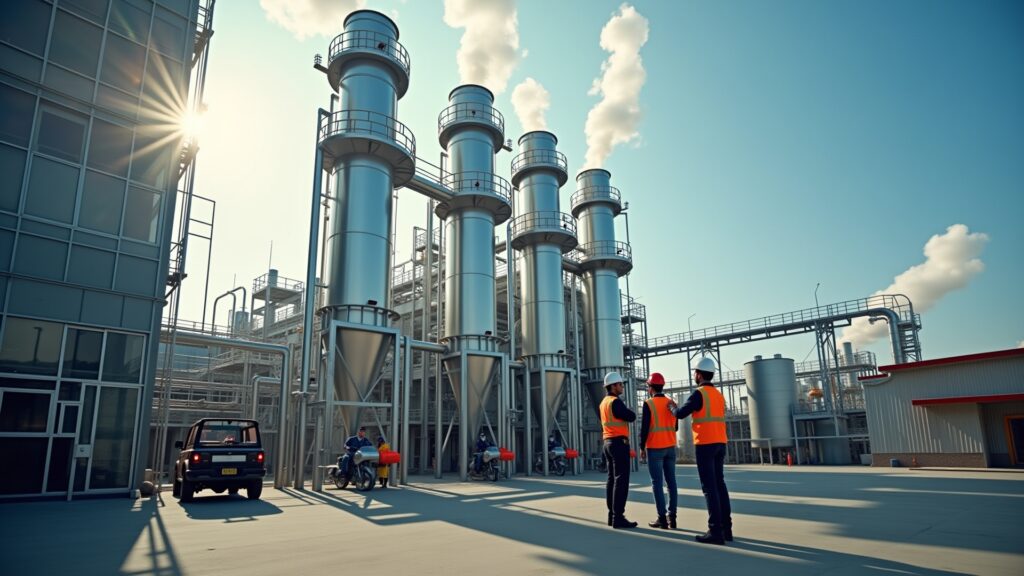
As a leader in the chemicals industry, your strategic radar must now focus on Indonesia’s recent milestone: the construction of its inaugural melamine plant. This isn’t merely an addition of manufacturing capacity; it marks a calculated pivot in Indonesia’s specialty chemicals landscape, aiming to reduce import dependency and strengthen competitive positioning in the global supply chain. Understanding the intricate implications of this development can sharpen your business strategy in Southeast Asia and beyond.
Why This Strategic Development Matters to You
Indonesia’s emergence as a producer of melamine directly impacts your sourcing decisions, supply chain resilience, and regional market opportunities. Melamine, an essential resin in laminates, adhesives, molding compounds, and coatings, plays a critical role in end-use sectors such as construction, automotive, and consumer goods—sectors that likely intersect with your business interests.
By localizing melamine production, Indonesia is not only shielding itself against supply volatility but also signaling a readiness to compete in higher-value specialty chemicals markets. This shift presents you with opportunities to rethink partnerships, optimize procurement, and assess regional dynamics as the Southeast Asian chemical ecosystem gains complexity and scale.
What Is Happening: The Build of Indonesia’s First Melamine Plant
Indonesia is stepping up its chemical manufacturing game with a melamine production facility expected to serve domestic demand and export markets within the ASEAN bloc. This facility stands as a strategic countermeasure to reduce Indonesia’s dependency on imported resins and signaling a broader industrial policy to develop integrated chemical hubs, moving beyond crude import reliance toward value-added chemical manufacturing.
From a technical perspective, melamine’s role as a specialty chemical extends across multiple industries, driving growth in sectors that require durable, heat-resistant, and cost-efficient materials. The new plant exemplifies Indonesia’s ambition to fill in intricate chemical value chain gaps, fostering capabilities that could attract additional upstream and downstream investments.
Key Business and Market Implications for the Chemical Sector
This plant’s development reflects a broader regional trend: Southeast Asia’s chemical manufacturing capacity is evolving to challenge traditional supply chains historically dominated by China. The ongoing move aligns with the China+1 strategy many global companies pursue for supply diversification, offering you a strategic alternative sourcing hub.
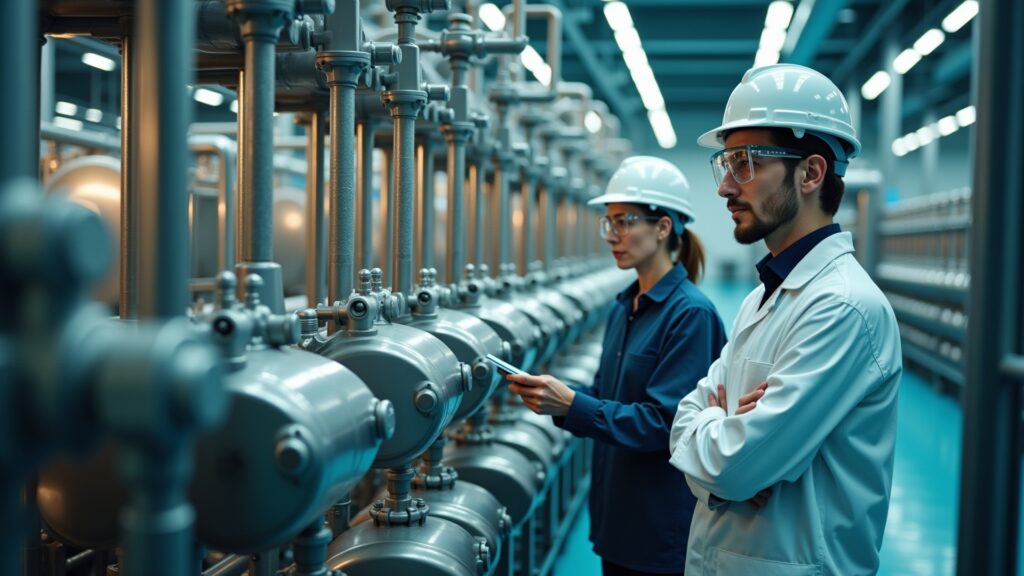
For petrochemical leaders and investors, Indonesia’s melamine project opens paths toward export-led growth with access to expanding ASEAN demand for performance materials. It also underscores the necessity for integrated supply chain management strategies that mitigate feedstock price volatility, freight costs, and regulatory risks.
“In the chemicals industry, resilience is built as much through procurement and process discipline as through scale.”
Strategic Insights: Positioning for Future Growth and Competitiveness
Indonesia’s strategic decision to invest in melamine production suggests a forward-looking approach to industrial resilience. By building local capacity, the country can better absorb shocks from geopolitical tensions, fluctuating feedstock costs, and logistic challenges that currently plague import-dependent supply chains.
This plant is not just a manufacturing asset but also a strategic platform for innovation. It could spur increased interest in green chemistry applications and circular economy initiatives around melamine usage and waste management, aligning with global sustainability trends that you should factor into your long-term planning.
“The real edge is not only in producing more, but in producing smarter, cleaner, and closer to where demand is shifting.”
Practical Takeaways for Chemicals Industry Leaders
- Evaluate potential collaboration or partnership opportunities with Indonesian producers to expand your market footprint across ASEAN.
- Closely monitor Indonesia’s evolving industrial policies, infrastructure developments, and regulations impacting chemical manufacturing.
- Reassess your supply chain risk by analyzing how Indonesia’s melamine capacity may alter regional feedstock sourcing and logistics costs.
- Explore innovation possibilities using melamine’s versatile applications to develop sustainability-enhanced specialty chemical products.
Risks and Challenges You Should Manage
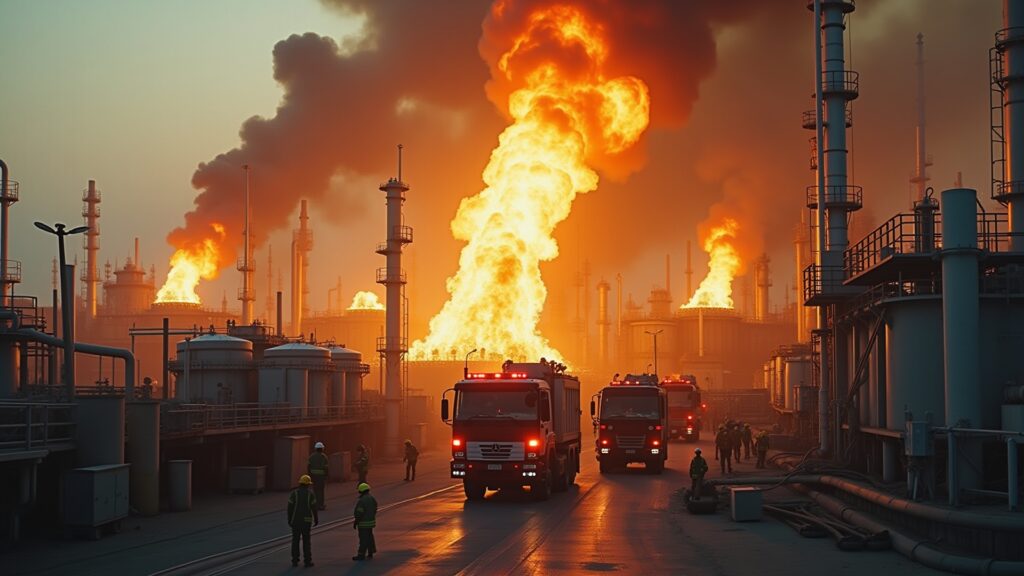
Despite promising prospects, you must stay alert to challenges including raw material price fluctuations, technology adoption hurdles, and compliance with emerging regulatory standards in Indonesia and regional trade frameworks. Effective leadership in operational execution and investment foresight will be critical to gaining a sustainable competitive advantage.
What to Watch Next in Indonesia’s Chemical Sector
Keep an eye on how Indonesia’s melamine plant scales capacity, technological partnerships, and integration with upstream producers. Also, observe government support mechanisms, export incentives, and how this development influences supply chain realignments in Asia, especially regarding the China+1 strategy.
These dynamics will shape regional specialty chemical markets and opportunity sets for investors, manufacturers, and exporters alike.
Conclusion: A Strategic Pivot in Specialty Chemicals Worth Your Attention
Indonesia’s first melamine plant is more than a new manufacturing venture; it’s a strategic milestone signaling growth in the specialty chemicals sector. For you, this development offers actionable insights into supply chain diversification, regional competitiveness, and sustainability-oriented innovation. Positioning your business to engage with these evolving dynamics can translate into tangible advantages in a rapidly realigning global chemical ecosystem.
“When feedstock strategy, manufacturing efficiency, and market timing align, chemicals growth becomes far more defensible.”