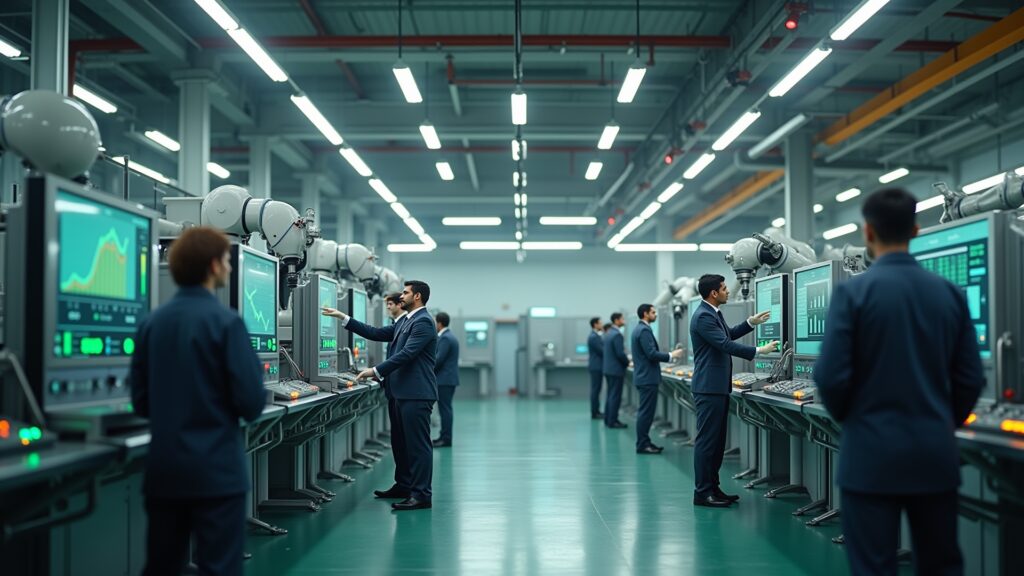
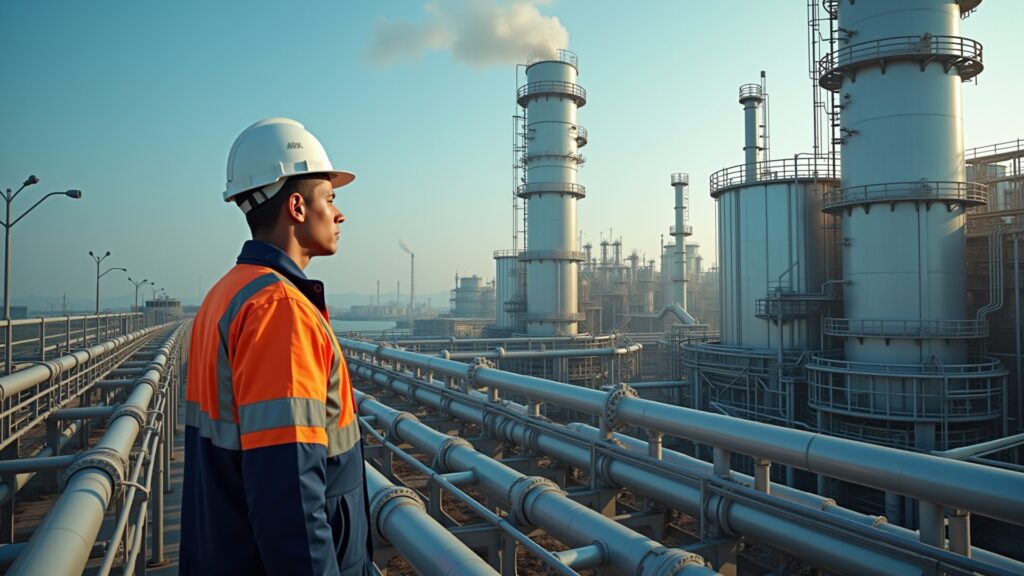
You are navigating a pivotal moment in global chemicals business, where geopolitical tensions—particularly the Iran conflict—are no longer peripheral concerns but central forces reshaping industry dynamics. As a leader or stakeholder within the chemicals ecosystem, understanding the far-reaching impact this conflict has on Germany’s chemical industry is crucial. Germany, a cornerstone of specialty chemicals innovation and petrochemical manufacturing, now faces unprecedented challenges that signal vital lessons and strategic imperatives for you and your enterprise worldwide.
Why This Matters to You
Germany’s chemical industry is a bellwether for global supply chains and specialty chemicals leadership. When it experiences strain due to geopolitical disruptions like those arising from the Iran conflict, ripple effects immediately influence feedstock availability, cost structures, and operational resilience on an international scale. Whether you oversee manufacturing operations, investment portfolios, or strategic sourcing, these developments directly affect your supply chain stability, cost competitiveness, and growth prospects.
What Is Happening: The Intersection of Conflict and Chemicals
The ongoing geopolitical tension involving Iran has thrust Germany’s chemical sector into a complex web of supply disruptions and regulatory uncertainties. Key trade routes are becoming constrained, sanctions enforcement intensifies, and logistics are disrupted—especially impacting feedstock imports vital to petrochemical and specialty chemical production. These effects challenge Germany’s import-dependent chemical segments, exposing vulnerabilities that reverberate through global markets.
Key Business and Market Implications
For you, this means a heightened exposure to feedstock price volatility and supply unpredictability. Petrol- and naphtha-based feedstock flows, essential for Germany’s downstream chemical manufacturing, face interruption risks from Middle Eastern trade turbulence. As costs escalate unpredictably, margin pressures mount, and production scheduling grows more complex. Additionally, Germany’s struggles reflect a broader issue facing many chemicals hubs reliant on centralized supply chains and geopolitically sensitive raw materials.
This scenario underscores the critical importance of diversification—not just geographically but across feedstock sources and suppliers. It signals to you the necessity of rethinking sourcing strategies and strengthening logistical preparedness to safeguard production continuity.
Strategic Insight: Building Resilience Amid Geopolitical Volatility
Strategic leadership now demands a robust approach to supply chain resilience. This includes:
- Integrating digital supply chain tools to predict and mitigate disruptions swiftly.
- Expanding local and regional procurement networks to reduce reliance on vulnerable trade corridors.
- Embedding scenario planning and flexible manufacturing processes to handle feedstock price swings efficiently.
More broadly, for chemical leaders embracing the China+1 sourcing philosophy, this disruption reiterates the imperative to cultivate multiple reliable supply sources and to align capacity expansions strategically with risk profiles.
“In the chemicals industry, resilience is built as much through procurement and process discipline as through scale.”
Policy and Sustainability Considerations
The Iran conflict also signals a wake-up call for emerging chemical economies, notably India, to accelerate investments in domestic feedstock production and chemical parks. Your forward-looking strategies should factor in how governments may enact policies favoring import substitution, strategic reserves, and green chemistry incentives to shield industries from geopolitical shocks.
Simultaneously, the increased volatility sharpens industry focus on sustainability and circular economy models. Prioritizing feedstock recycling and green chemistry is not only a risk mitigation tactic but a pathway to long-term competitive advantage amid tightening regulations and changing consumer expectations.
“The real edge is not only in producing more, but in producing smarter, cleaner, and closer to where demand is shifting.”
Practical Takeaways: What You Should Do Now
- Monitor geopolitical developments closely, particularly in Middle Eastern trade routes and sanction policies.
- Reassess your feedstock sourcing strategies with diversification and local procurement as priorities.
- Invest in supply chain digitalization tools to enable predictive intelligence and rapid response.
- Explore partnerships and investments in sustainability initiatives that align with circular economy principles.
- Advocate for supportive policies that enhance domestic capacity and facilitate strategic feedstock reserves.
Risks and Challenges Ahead
You must be aware that ongoing conflict escalation could further disrupt global supply and intensify cost pressures. Uncertainty around sanctions enforcement remains a significant risk factor, potentially complicating compliance and contracting. Supply chain reconfigurations will require capital allocation decisions that balance short-term disruption costs with long-term resilience benefits.
What You Should Watch Next
Stay alert to shifts in regional and international trade regulations, developments in Germany’s chemical manufacturing capacities, and emerging policy responses in other global chemical hubs like India. Additionally, advances in green chemistry and circular economy models could reveal new strategic pathways and competitive differentiators tailored to the new geopolitical reality.
“When feedstock strategy, manufacturing efficiency, and market timing align, chemicals growth becomes far more defensible.”
Conclusion: Navigating the Iran Conflict Impact on Germany Chemical Industry with Strategic Agility
Ultimately, the Iran conflict’s impact on Germany’s chemical industry is a defining moment for chemicals leaders worldwide: a call for heightened strategic agility and resilience. By embracing diversified supply chains, digital intelligence, sustainability integration, and supportive policy engagement, you can not only mitigate risk but seize emerging opportunities in global chemicals realignment. The path forward demands that you prioritize foresight, discipline, and innovation to sustain profitability and growth amid uncertainty.