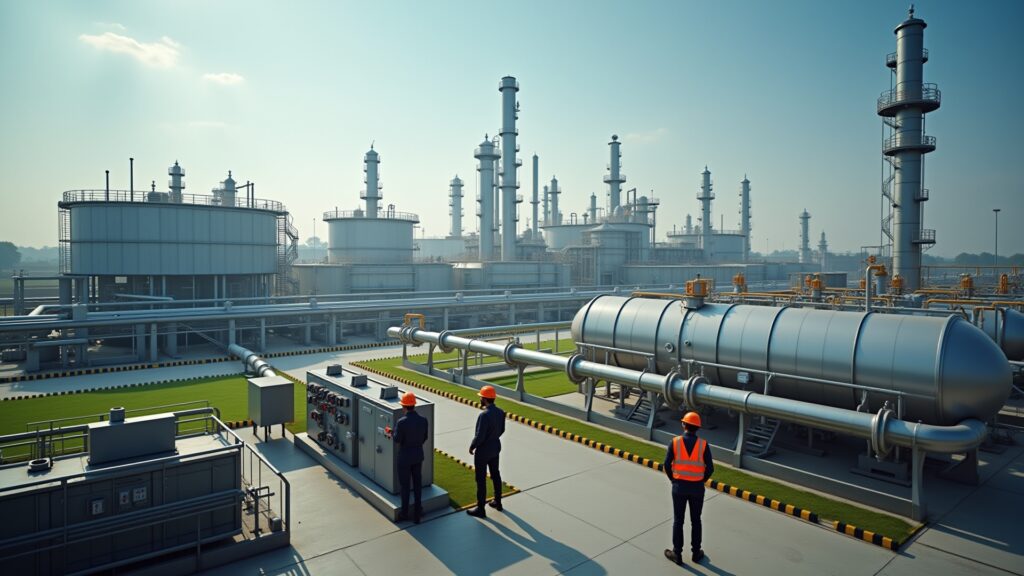
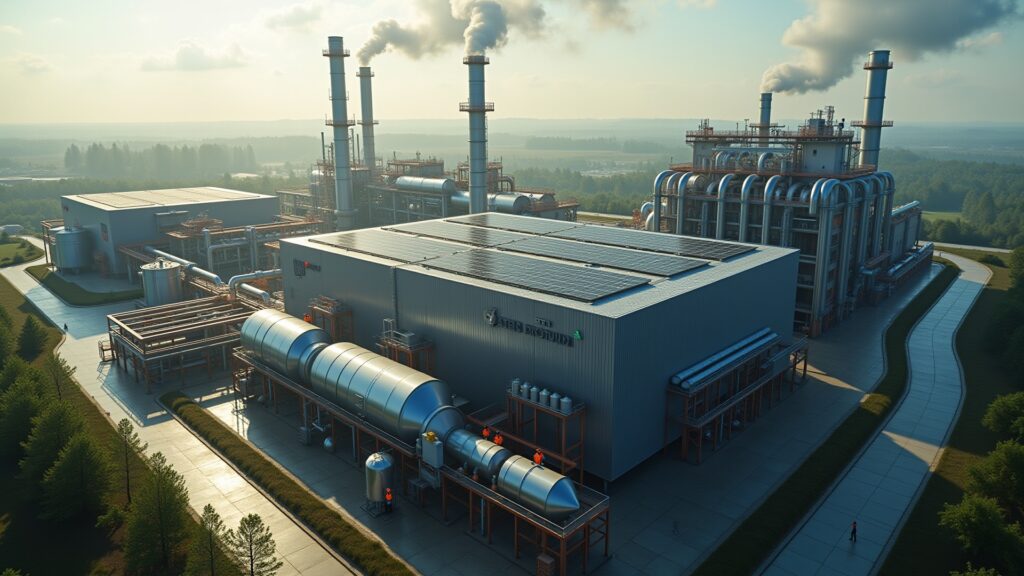
You’re at a pivotal crossroads in the Indian chemicals industry, as geopolitical disruptions in the Middle East—the epicenter for petrochemical feedstocks and energy supply—start squeezing your margins and reshaping your competitive landscape. If your role involves steering manufacturing, investments, exports, or strategic planning in chemicals, understanding these dynamics isn’t just useful; it’s essential for sustaining your profitability and growth trajectory.
Why Middle East Disruptions Matter Directly to Your Business
The Middle East’s instability isn’t a distant headline. It’s a tangible factor influencing your raw material costs, supply chain reliability, and export competitiveness. As petrochemical feedstocks and energy prices fluctuate sharply, your cost structures face relentless pressure. This ripple effect diminishes your margin buffers, forcing strategic recalibrations across sourcing, manufacturing, and market engagement.
Put simply: your ability to navigate this new reality will determine if you maintain global competitiveness or fall prey to margin erosion amid volatile input costs and logistical challenges.
What Is Happening: The Industrial Impact of Geopolitical Tensions
The Middle East supplies crucial feedstocks like naphtha and natural gas liquids—foundational to petrochemical and specialty chemical production worldwide. Geopolitical tensions, conflict scenarios, or trade disruptions disrupt not only availability but also increase freight and insurance costs, elongating and complicating supply chains.
For India, an increasingly integrated player sourcing components globally, these shocks translate to raw material price fluctuations that cascade into manufacturing costs and export pricing challenges. Indian chemical firms experience a margin squeeze as rising input costs meet a competitive global marketplace where buyers demand price stability and quality.
Key Business and Market Impacts Within India’s Chemical Sector
- Feedstock Vulnerability: Heavy dependence on Middle East sources exposes your supply chain to unpredictability, increasing procurement risk and pressing the need for diversification.
- Export Margin Pressure: As your peers and global competitors recalibrate prices, maintaining your export margins demands enhanced operational efficiencies and value-adding specialties.
- Supply Chain Complexity: Transportation cost volatility and logistical bottlenecks demand more agile supply chain frameworks from you, integrating redundancy and digital intelligence.
- Investment and Capacity Planning Challenges: Uncertain input costs and geopolitical risk necessitate more cautious, data-driven capital allocation strategies, emphasizing specialty chemicals and performance segments with higher margins.
- Policy and Infrastructure Dependencies: Your strategic competitiveness depends increasingly on policy advocacy for chemical park development, infrastructure upgrades, and trade facilitation mechanisms.
Strategic Insight: Navigating Margin Squeeze Through Innovation and Localization
In this landscape, a reactive stance is insufficient. You must transform supply chain models and product strategies to withstand volatility and enhance your competitive edge. Consider accelerating feedstock diversification by investing in domestic raw material sourcing capabilities and leveraging India’s expanding chemical parks to shrink your supply chain footprint.
Embracing green chemistry principles and circular economy initiatives can also hedge against raw material price swings, reduce environmental regulatory risks, and align with global sustainability demands—critical if you are targeting export markets sensitive to ESG credentials.
Driving digital transformation in procurement, demand forecasting, and logistics optimizes agility, reduces operational cost, and strengthens risk mitigation against geopolitical shocks.
“In the chemicals industry, resilience is built as much through procurement and process discipline as through scale.”
“The real edge is not only in producing more, but in producing smarter, cleaner, and closer to where demand is shifting.”
Practical Takeaways: What You Should Do Right Now
- Evaluate Feedstock Strategies: Identify alternative sourcing regions beyond the Middle East and increase stockpiling measures where feasible.
- Optimize Supply Chain Resilience: Implement multi-tier supplier audits and explore technology-driven logistics tracking to improve responsiveness.
- Focus on Specialty Chemicals: Shift some capacity towards high-margin specialty and performance chemicals segments that offer insulation from commodity price shocks.
- Engage Policy Makers: Advocate for infrastructure investments that enhance India’s chemical park ecosystem and reduce logistics bottlenecks.
- Embed Sustainability: Accelerate adoption of circular economy models and green chemistry to lower dependency on volatile feedstocks and meet evolving regulatory demands.
- Strategic Capital Allocation: Prioritize investments that bolster operational flexibility and innovation instead of purely volume-driven expansion.
Expert Perspective
Industry leaders understand the necessity for a balanced approach, harmonizing pragmatism with innovation. “When feedstock strategy, manufacturing efficiency, and market timing align, chemicals growth becomes far more defensible,” a seasoned chemical sector strategist notes.
Caution Ahead: Challenges and Risks to Monitor
The path forward is fraught with risks. Geopolitical tensions could intensify or persist longer than anticipated, exacerbating supply chain disruptions. Input cost spikes may push some players toward unsustainable pricing, risking market share loss. Over-reliance on any single mitigation strategy, such as on local feedstock without assured quality or volume, could backfire. It’s imperative that you maintain scenario planning and remain agile in decision-making.
What To Watch Next
- Developments in Middle East geopolitics and trade sanctions that affect chemical feedstock flows.
- India’s policy moves on chemical park development and infrastructure investments.
- Shifts in global petrochemical price benchmarks and freight cost trends.
- Emerging innovations in green chemistry and circular economy applications within your segment.
- Advancements in digital supply chain technologies improving real-time risk management.
Conclusion: Turning Volatility into Strategic Advantage
The tightening margin environment in India’s chemical sector, driven by Middle East disruptions, is more than a challenge—it’s a call to action. Your strategic response, grounded in diversification, sustainability, operational excellence, and policy engagement, will define India’s future role as a resilient global chemicals powerhouse.
By embracing agility in sourcing, investing judiciously in capacity with an eye on specialty chemicals, and embedding supply chain resilience, you can transform this period of volatility into a catalyst for sustained growth and competitive advantage.
In the end, “the journey from margin squeeze to margin strength is yours to chart, empowered by insight, innovation, and strategic discipline.”