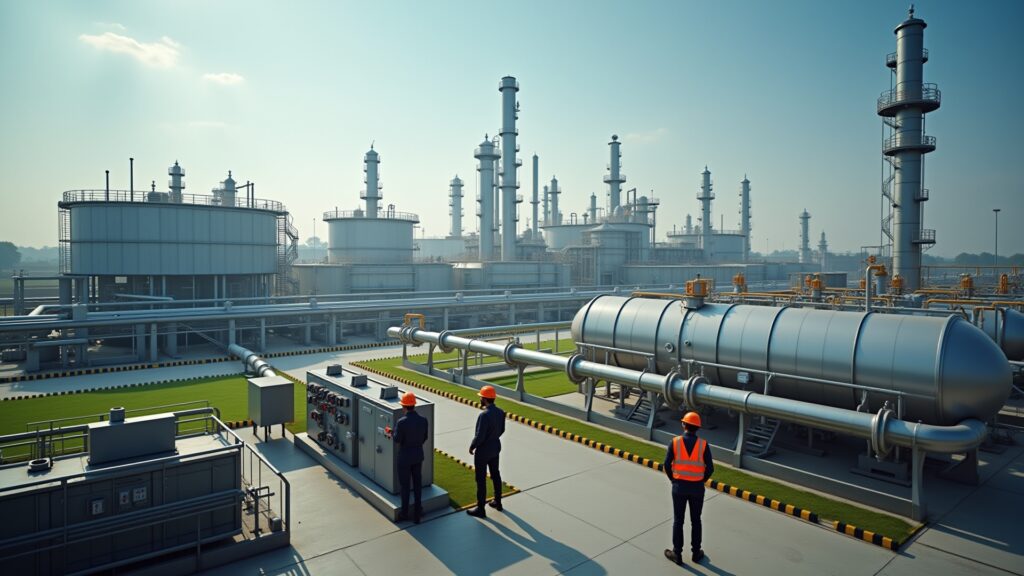
You, as a leader or stakeholder in the chemicals industry, are undoubtedly aware that energy costs form a cornerstone of operational viability in chemical manufacturing. Recent developments in Britain, where surging energy prices have put one of the country’s last major chemical plants at risk, offer a sobering insight into how critical energy cost dynamics can reshape the future landscape—not just regionally but globally.
Why This Matters to You
The British situation is more than a local crisis; it’s a stark reminder that your chemical manufacturing strategy and investment decisions must incorporate robust energy cost and supply chain risk management. As energy makes up a significant portion of operating costs, volatility can directly erode profitability, challenge export competitiveness, and force reconsideration of capacity expansion or retention.
Understanding these energy cost impacts on chemical manufacturing empowers you to anticipate market shifts, strengthen your operational resilience, and position your company or investment portfolio to outperform in a world where energy pricing remains unpredictable.
The Current Landscape: What Is Happening in Britain?
Britain’s chemical manufacturing sector faces unprecedented pressure as sharply rising energy prices—fueled by geopolitical tensions and constrained supply chains—threaten the economic sustainability of legacy chemical plants. This is particularly critical given Britain’s historic role as a European chemical manufacturing hub.
The scenario highlights how energy-intensive sectors like petrochemicals and industrial chemicals become vulnerable when energy expenses surge. The risk is not limited to operational feasibility; it reverberates through supply chains, impacting delivery reliability and broader industrial ecosystems dependent on these chemicals.
Energy Costs Impact on Chemical Manufacturing: Broader Business and Market Impacts
Your business decisions must now factor in the cascading effects of energy volatility, which include:
- Supply Chain Fragility: Rising energy costs may force production curtailments or plant shutdowns, disrupting downstream industries reliant on steady chemical supplies.
- Competitive Realignment: Regions with stable and cost-effective energy sources, such as India, gain substantial competitive advantage, potentially reshaping global chemical export patterns.
- Capital Allocation Dilemmas: Investments in capacity expansion or technology upgrades hinge on credible, predictable energy pricing forecasts to secure returns.
- Policy and Regulatory Influence: Governments’ approach to energy infrastructure, renewable integration, and incentives for green chemistry directly impacts industrial resilience and growth.
Strategic Insights: Navigating Energy Costs and Securing Manufacturing Continuity
To protect your chemical operations and investments, consider these strategic imperatives:
- Reevaluate Energy Procurement: Diversify energy sourcing and negotiate long-term contracts where feasible to mitigate short-term price shocks.
- Integrate Energy-Efficient Technologies: Prioritize capital allocation towards process innovations that reduce energy intensity and improve operational margins.
- Assess Production Footprint: Evaluate geographical locations not only for market access but also for energy cost stability and infrastructure reliability.
- Promote Sustainable Growth: Invest in green chemistry and circular economy initiatives, which align business viability with emerging regulatory expectations and consumer preference.
“In the chemicals industry, resilience is built as much through procurement and process discipline as through scale.”
Practical Takeaways for Chemical Sector Leaders and Investors
- Understand Energy’s Role: Regularly model the impact of energy price fluctuations on your cost structures and product pricing strategies.
- Monitor Policy Developments: Keep abreast of governmental initiatives supporting energy infrastructure and sustainable industrial practices.
- Enhance Supply Chain Agility: Develop contingency plans to navigate disruptions caused by energy supply volatility.
- Drive Innovation: Invest in digital transformation and energy-saving technologies that bolster profitability and sustainability.
- Evaluate Global Shifts: Leverage the China+1 strategy to tap into emerging markets like India that could offer cost advantages and growing chemical demand.
“The real edge is not only in producing more, but in producing smarter, cleaner, and closer to where demand is shifting.”
Risks and Challenges Ahead
This energy cost surge poses immediate risks to plant operations, but the longer-term challenges are even more complex. Persistent volatility could deter private investment, cause capacity erosion in established centers like Britain, and trigger global supply imbalances. Additionally, misalignment between energy policies and industrial needs may exacerbate competitiveness gaps.
For businesses, failure to address these risks through strategic foresight and agility could translate into diminished market share, margin pressure, and weakened export positioning.
What You Should Watch Next
- Developments in energy pricing and supply, particularly in Europe and Asia.
- Government policies related to chemical parks, renewable energy incentives, and carbon regulation.
- Technology breakthroughs that materially reduce energy consumption in chemical production.
- Shifts in global trade flows influenced by energy cost competitiveness and geopolitical factors.
“When feedstock strategy, manufacturing efficiency, and market timing align, chemicals growth becomes far more defensible.”
Conclusion: Seizing Strategic Advantage Amid Energy Cost Volatility
The unfolding crisis in Britain’s chemical manufacturing underscores a universal truth: your capacity to manage energy costs directly shapes your competitive edge, profitability, and long-term sustainability in the chemical industry. By learning from this cautionary tale, you have the opportunity to recalibrate your growth and investment strategies toward resilient, sustainable, and cost-effective manufacturing models.
Embrace energy cost impact analysis on chemical manufacturing not merely as a risk factor but as a strategic driver that will determine who leads and who lags in the evolving global chemicals marketplace.