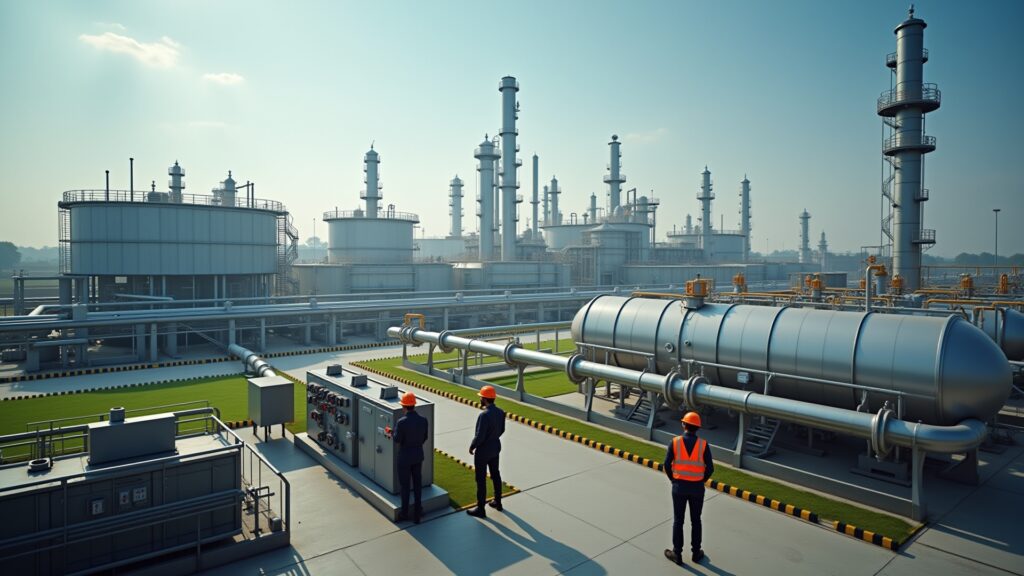
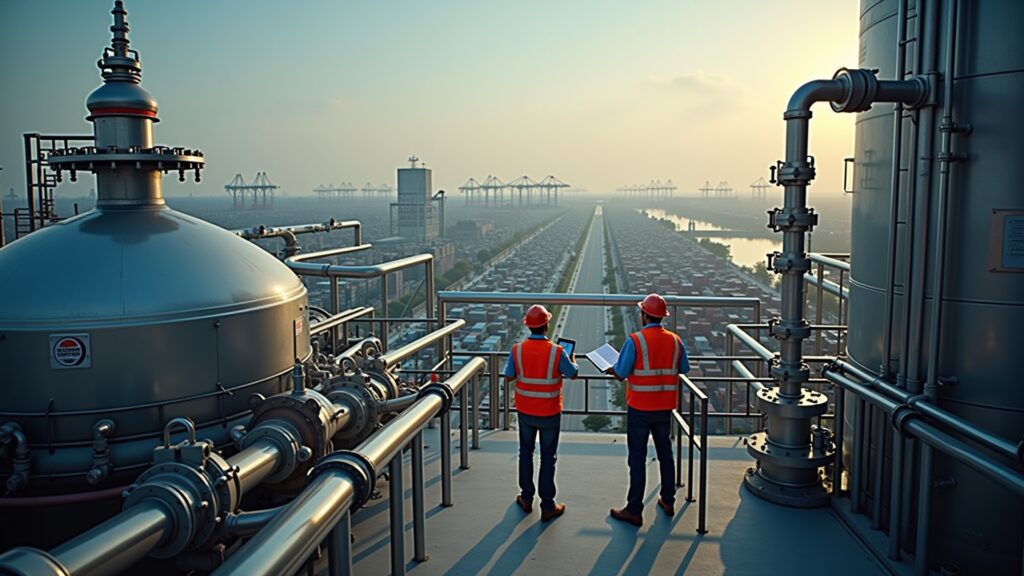
As tensions escalate between the US and Iran, you stand at a critical juncture where the reverberations of geopolitical conflict directly intersect with your strategic priorities in the chemicals sector. India’s chemicals industry, increasingly vital to global petrochemical and specialty chemicals supply chains, now faces heightened uncertainties that challenge both operational stability and growth ambitions.
Why This Matters to You
If you are a chemicals business owner, plant director, investor, or supply chain strategist, understanding the ramifications of the US-Iran conflict can shape how you secure feedstock, manage costs, and leverage shifting export opportunities. Your decisions today will influence resilience and competitiveness in a marketplace where access, pricing, and policy dynamics are no longer predictable.
What Is Happening
The geopolitical friction has intensified risks around essential feedstocks like crude oil and natural gas liquids, commodities that form the lifeblood of India’s petrochemical and industrial chemicals manufacturing. Potential sanctions and disruptions in Middle Eastern shipping lanes threaten to constrict supply, leading to volatile pricing and challenges in procurement. This instability also endangers India’s reliance on raw material imports, which are pivotal for sustaining manufacturing volumes and quality standards.
Key Business and Market Impacts
The US-Iran conflict introduces several key pressures and opportunities in the chemicals business landscape:
- Feedstock Vulnerability: Heightened price swings and supply unpredictability increase your procurement risk, impacting margins and requiring more agile sourcing strategies.
- Supply Chain Diversification: Your dependence on Middle Eastern imports exposes vulnerabilities, accelerating shifts towards the China+1 sourcing model and making domestic feedstock development and chemical park expansion imperative.
- Export Competitiveness: Global realignment of trade flows can open new markets for Indian specialty chemicals and petrochemical products, provided you can capitalize on cost efficiencies and quality assurance.
- Policy and Investment: Government support through export facilitation, infrastructure expansion, and fiscal incentives will be essential in cushioning your operations from external shocks and unlocking capacity growth.
A Strategic Lens on the Conflict
Beyond immediate supply concerns, the US-Iran tensions spotlight the strategic necessity of building resilience and flexibility into your chemicals portfolio. Consider these nuanced imperatives:
- Integrated Supply Chain Management: You must fortify supply security with diversified procurement, including ramping up indigenous feedstock capacity and alternative sourcing.
- Innovation-Driven Differentiation: Investing in downstream specialty chemicals and sustainable manufacturing technologies will fortify your market position against geopolitical risks by offering differentiated products aligned with global quality and environmental standards.
- Export Market Realignment: With traditional Middle Eastern suppliers potentially sidelined, Indian exporters have a window to capture demand in North America, Europe, and Asia — but only if you move swiftly with capacity and quality enhancements.
- Policy Advocacy and Collaboration: Engaging with policymakers to ensure that incentives and infrastructure expansions, such as chemical parks and logistics hubs, align with your long-term resilience goals is now more critical than ever.
“In the chemicals industry, resilience is built as much through procurement and process discipline as through scale.”
Practical Takeaways for Chemicals Leaders
- Understand Your Feedstock Risk Exposure: Map out current procurement dependencies, identify pinch points, and develop contingency plans that include alternative suppliers and feedstock sources.
- Monitor Geopolitical Developments Closely: Stay informed on sanctions, shipping lane conditions, and policy responses to anticipate supply chain disruptions.
- Accelerate Capacity Expansion in Domestic Parks: Leverage government initiatives on chemical parks to reduce import exposure and optimize production efficiency.
- Enhance Export Readiness: Upgrade quality standards and invest in specialty chemicals that meet global market demands, positioning your business to capture redirected trade flows.
- Prioritize Innovation and Sustainability: Embrace digital transformation, green chemistry, and circular economy principles to make your production more adaptable and future-proof.
Expert Perspective
“The real edge is not only in producing more, but in producing smarter, cleaner, and closer to where demand is shifting.”
“When feedstock strategy, manufacturing efficiency, and market timing align, chemicals growth becomes far more defensible.”
Risks and Challenges to Navigate
While the opportunities are compelling, the path forward is fraught with risks:
- Volatile Feedstock Costs: Price shocks may compress margins if procurement agility is insufficient.
- Infrastructure Bottlenecks: Chemical parks and logistics upgrades take time; delays can prolong import dependencies.
- Regulatory Uncertainties: Shifts in trade policies and sanctions regimes globally can disrupt market access unpredictably.
- Capital Allocation Dilemmas: Balancing immediate risk mitigation against long-term capacity investments requires strategic discipline.
What You Should Watch Next
- Government announcements on chemical park expansions, export incentives, and feedstock security policies.
- Updates on Middle Eastern geopolitical developments affecting crude oil and gas logistics.
- Shifts in global trade routes and buyer sourcing preferences within petrochemical and specialty chemicals sectors.
- Innovations in feedstock alternatives and sustainable process technologies emerging in India.
Conclusion: Navigate Market Uncertainty With Strategic Resolve
The US-Iran conflict undeniably shakes the foundations of feedstock security and market dynamics for India’s chemicals industry. As you navigate these challenges, the imperative is clear: build resilience through diversified sourcing, accelerate inward investment in capacity and innovation, and leverage policy frameworks effectively. The strategic management of this geopolitical variable could well define your position in the evolving global chemicals landscape, marking the difference between vulnerability and leadership.
US-Iran conflict India chemicals industry impact is not just a headline — it is your call to sharpen strategic foresight and bolster the sector’s global ambitions.