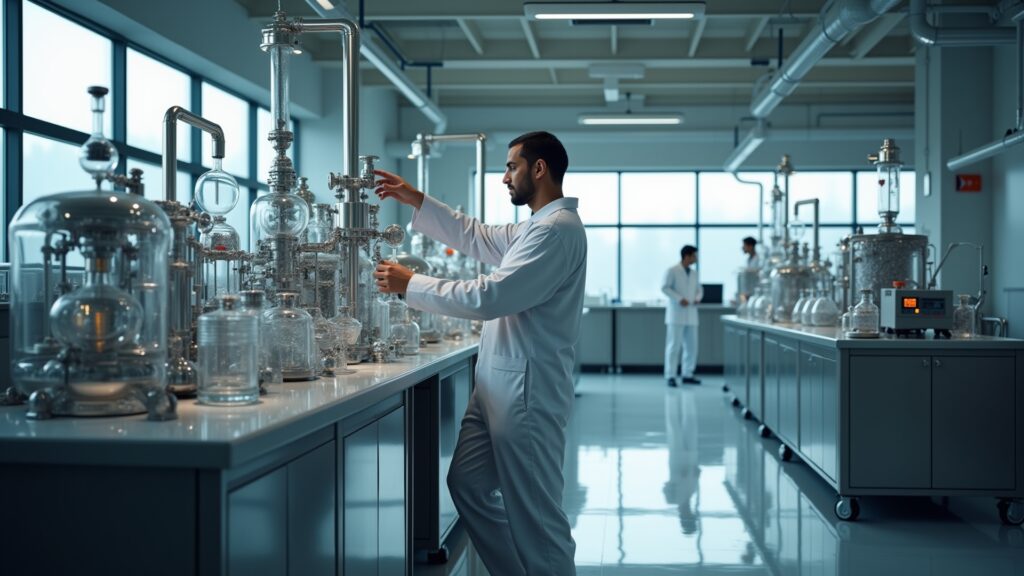
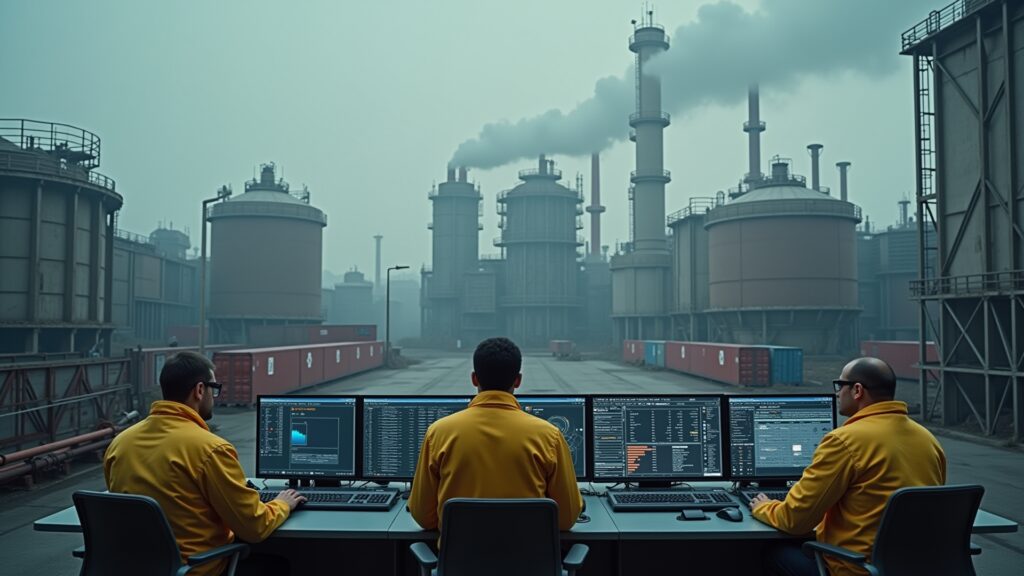
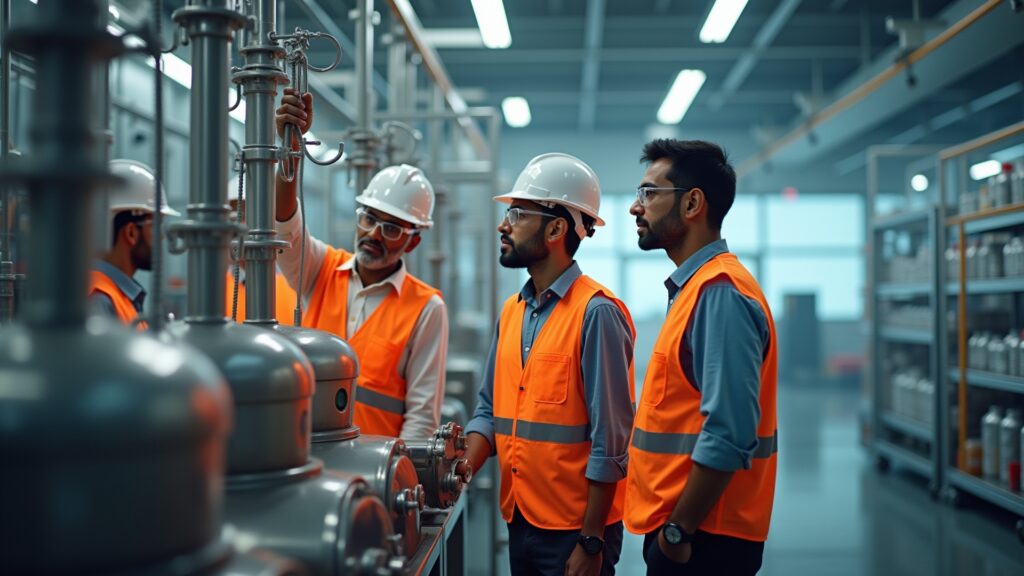
As a leader or decision-maker in the chemical industry, you face an urgent challenge that could define your company’s future resilience and innovation capacity: attracting and retaining Generation Z talent. This dynamic cohort is not just another generation entering the workforce. Their distinct values, digital savviness, and environmental priorities can significantly influence your business’s trajectory in an era marked by rapid technological and market shifts.
Why This Matters to You
Your ability to navigate ongoing transformations in specialty chemicals, petrochemicals, and industrial materials hinges on a workforce that embraces change, sustainability, and innovation. Gen Z professionals represent a critical resource to drive these priorities, yet traditional industry cultures often fail to resonate with their expectations. Ignoring this misalignment risks talent shortages, diminished competitiveness, and slower progress on crucial sustainability and digital initiatives.
What Is Happening in the Workforce Landscape
Generation Z, born roughly between the mid-1990s and early 2010s, enters the chemical sector with distinct characteristics: a profound comfort with digital tools, a strong commitment to purpose-driven work, and heightened environmental consciousness. As this group forms a larger slice of your potential talent pool, their preferences challenge the conventional hierarchical and process-heavy cultures prevalent in many chemical enterprises.
Without strategic adaptation, you confront a widening gap between your workforce needs and the values driving Gen Z’s career decisions. This disconnect threatens to exacerbate existing shortages of skilled professionals amid demand for innovation, operational excellence, and ESG compliance.
Strategic Impact on Chemicals Business and Market Dynamics
In your role as a chemicals business leader, the stakes are considerable. Successfully integrating Gen Z talent translates into accelerated adoption of smart manufacturing technologies, streamlined feedstock management, and advanced sustainability measures—all crucial as you face volatile raw material prices and complex regulations.
Investors and boards increasingly view talent strategy as intertwined with operational continuity, innovation pipelines, and ESG goals. Your decisions on workforce culture, recruitment, and learning frameworks directly affect your company’s ability to compete, especially amid global pressures such as the China+1 supply chain diversification and heightened export competitiveness.
“When feedstock strategy, manufacturing efficiency, and market timing align, chemicals growth becomes far more defensible.”
Deeper Strategic Insights
The integration of Gen Z professionals aligns with broader industry transformations. Their demand for transparency and ethics supports embedding circular economy principles into your business model. This is not just about talent acquisition—it’s about reshaping your entire ecosystem to be more innovative, sustainable, and agile.
Embracing this generational shift means rethinking leadership styles, digital infrastructure, and sustainability commitments. Forward-thinking companies link talent strategy with technology adoption and supply chain agility to create a resilient and future-ready posture.
“The real edge is not only in producing more, but in producing smarter, cleaner, and closer to where demand is shifting.”
Practical Takeaways for Your Business
- Understand the motivations of Gen Z talent: Prioritize transparent communication, purpose-driven projects, and opportunities to contribute to sustainability goals.
- Modernize work culture and learning: Implement flexible work models, continuous digital skill development, and inclusive leadership approaches.
- Align workforce strategy with operational priorities: Tie talent acquisition and development to innovation in smart manufacturing and green chemistry.
- Monitor ESG frameworks closely: Ensure your workforce strategy supports environmental and social governance metrics critical for investor and regulatory expectations.
- Leverage talent strategy as a competitive advantage: Cultivate your company’s brand as an employer of choice to reduce turnover and strengthen technical leadership.
Expert Observations
“In the chemicals industry, resilience is built as much through procurement and process discipline as through scale.”
“Successful engagement of Gen Z professionals is a catalyst for innovation and sustainability integration.”
Risks and Challenges Ahead
You must be mindful of the risks if adaptation is slow or superficial. A stagnant culture may drive Gen Z talent to competing sectors or geographies. Rapid technology changes and feedstock volatility increase pressure on an agile workforce that is continuously learning. Regulatory complexities demand agile leadership that can balance compliance with innovation—without this, your company risks operational disruptions and reputational damage.
What You Should Watch Next
Keep an eye on evolving workforce trends and digital transformation initiatives within your industry. Observe how leading chemical companies integrate Gen Z strategies with ESG goals and smart manufacturing advancements. Additionally, monitor geopolitical shifts like China+1 supply realignment to assess talent demands linked to evolving supply chains and export markets.
Conclusion: Secure Your Industry Future by Evolving Talent Strategy
The link between attracting Gen Z chemical industry talent and securing your company’s future innovation and competitiveness cannot be overstated. As you adapt your business culture, leadership style, and operational approach to meet Gen Z expectations, you simultaneously advance sustainability commitments, digital transformation, and global market positioning.
For you as a CXO, investor, or industrial stakeholder, this makes talent strategy a pillar of your overall business strategy. In effect, your capacity to recruit, develop, and retain this new generation will directly influence your company’s ability to thrive amid future chemical industry challenges.
Focus on evolving or face growth constraints tied to a stagnant workforce approach—because the future of the chemical industry depends on it.