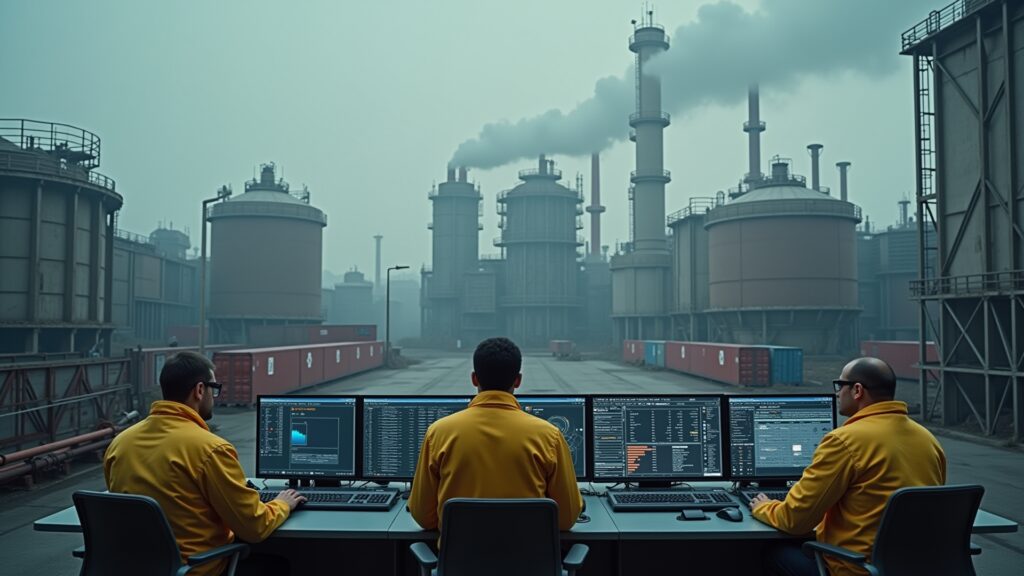
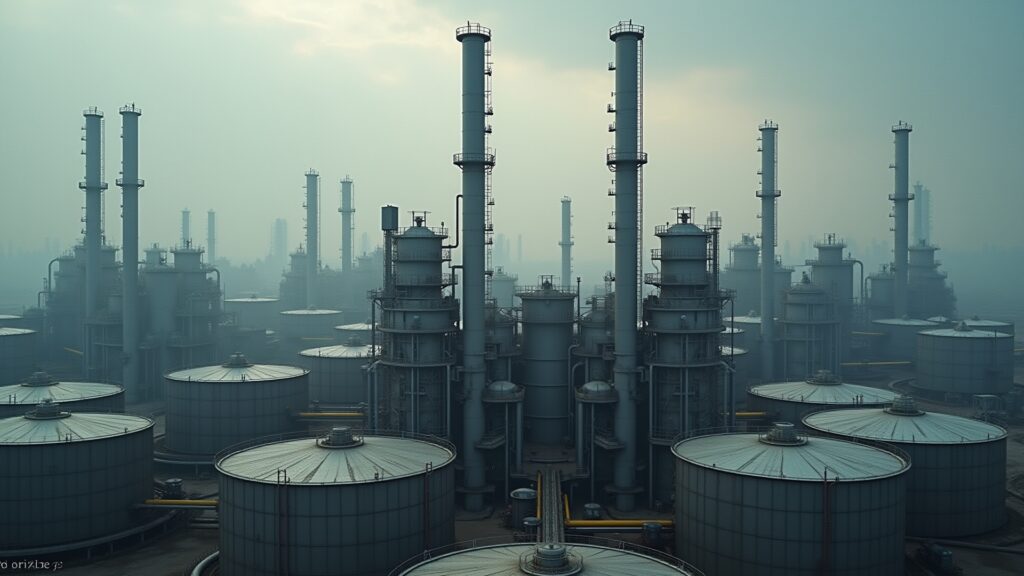
As a leader or investor in India’s chemicals or agrochemical sector, your strategic decisions today must grapple with a challenging mix: volatile raw material costs, regulatory pressures, and growing global trade dynamics. Industry 4.0 is no longer a distant concept but a powerful catalyst redefining India’s agrochemical manufacturing landscape — especially fertilisers — to secure smarter, more resilient, and sustainable agricultural growth. Understanding this digital transformation is essential for positioning your business at the forefront of an evolving sector critical to India’s food security and rural prosperity.
Why Industry 4.0 in India’s Agrochemical Manufacturing Matters to You
Your business thrives on operational efficiency, supply chain stability, and the agility to pivot amid market uncertainties. The agrochemical sector, with fertiliser production at its core, faces acute pressures: erratic feedstock availability, rising energy demands, and complex distribution networks. This makes digital integration not just an advantage but a necessity.
Implementing Industry 4.0 enables you to unlock predictive analytics, automation, and real-time supply chain visibility—tools that can slash waste, optimise costs, and improve product quality. If you are considering plant modernisation or capacity expansion, embracing these technologies aligns your operations with global standards while tapping into India’s ambitions as a petrochemical and specialty chemicals hub.
The Current Industry 4.0 Landscape: What’s Happening
India’s fertiliser manufacturing ecosystem is increasingly adopting IoT sensors, AI-driven process controls, and advanced data analytics to enhance production precision. This shift addresses key bottlenecks such as fluctuating raw material costs, energy inefficiencies, and distribution lag.
Smart manufacturing systems facilitate real-time monitoring of plant performance, predictive maintenance to minimise downtime, and faster customisation of specialty fertilisers tailored for diverse agricultural demands. Moreover, digital tools help ensure compliance with stricter environmental and trade regulations, which are crucial for export competitiveness.
Key Business and Market Impact for Chemicals Industry Stakeholders
For manufacturers and investors alike, Industry 4.0 brings a strategic edge:
- Operational Agility: The ability to react promptly to feedstock price volatility and supply disruptions through data-driven forecasts.
- Premium Product Development: Accelerated time-to-market for specialty fertilisers enhances margin potential and diversifies your product portfolio.
- Export Competitiveness: Enhanced traceability and regulatory compliance make your exports more trustworthy in global markets amid shifting supply chains and stricter standards.
- Sustainability Compliance: Reduced energy consumption and waste align with India’s green chemistry initiatives and your corporate responsibility objectives.
Strategic Insights: How to Leverage Industry 4.0 for Competitive Advantage
Embedding Industry 4.0 is not merely a technology upgrade—it’s a strategic repositioning of your entire manufacturing and supply chain blueprint. Consider the following dimensions:
- Feedstock Optimization: Use real-time analytics to refine procurement and inventory management, mitigating exposure to raw material price swings.
- Plant Retrofit and Scalability: Retrofit existing plants with automated control systems to cut energy use and improve productivity without disruptive downtime.
- Data-Driven Decision Making: Implement centralized dashboards that harness AI to guide operational adjustments and customer demand forecasting.
- Collaborative Ecosystems: Engage technology providers, chemical parks, and government initiatives to tap into R&D incentives and build innovation ecosystems.
“In the chemicals industry, resilience is built as much through procurement and process discipline as through scale.”
Practical Takeaways for Agrochemical Leaders and Investors
- Understand: Industry 4.0 integration is pivotal for boosting sustainability, operational efficiency, and export readiness in India’s agrochemical manufacturing.
- Monitor: Key indicators such as IoT adoption rates, energy consumption patterns, and regulatory changes in chemical compliance.
- Act: Prioritize investments in digital infrastructure and workforce training to fully exploit smart manufacturing capabilities.
- Collaborate: Build partnerships with technology firms, sustainability experts, and policy-makers to future-proof your operations.
The Risks and Challenges You Must Navigate
Transitioning to Industry 4.0 is complex. Digital integration demands upfront capital, skilled talent, and organizational change management. Cybersecurity concerns escalate as operations become more connected. Additionally, aligning with rapidly evolving compliance standards requires continuous monitoring and agility.
Despite these challenges, delaying adoption risks losing ground to global competitors benefiting from smarter, greener, and more responsive manufacturing ecosystems.
What You Should Watch Next
Track emerging Indian government policies incentivizing Industry 4.0 adoption within chemicals and agrochemical sectors, and observe the rollout of digital pilot projects at major fertiliser plants. Keep an eye on international trade shifts—such as China+1 sourcing strategies—that could open export windows for digitally enabled Indian manufacturers.
Also, watch innovations in green chemistry and circular economy solutions that digital manufacturing can amplify, creating sustainability advantages increasingly demanded by global buyers.
Conclusion: Seizing the Industry 4.0 Opportunity in India’s Agrochemical Sector
Industry 4.0 in India’s agrochemical manufacturing is more than a trend—it is your gateway to smarter agricultural growth, operational excellence, and sustained profitability. By embedding digital controls, automation, and predictive analytics, you can mitigate volatility, enhance specialty fertiliser development, and deliver on India’s ambitious sustainability commitments.
Position yourself as a forward-looking leader by championing collaborative innovation, aligned investment, and strategic foresight. This is how you transform India’s agrochemical industry into a globally competitive powerhouse, driving smarter, greener growth for agriculture and the chemicals business alike.
“The real edge is not only in producing more, but in producing smarter, cleaner, and closer to where demand is shifting.”
“When feedstock strategy, manufacturing efficiency, and market timing align, chemicals growth becomes far more defensible.”