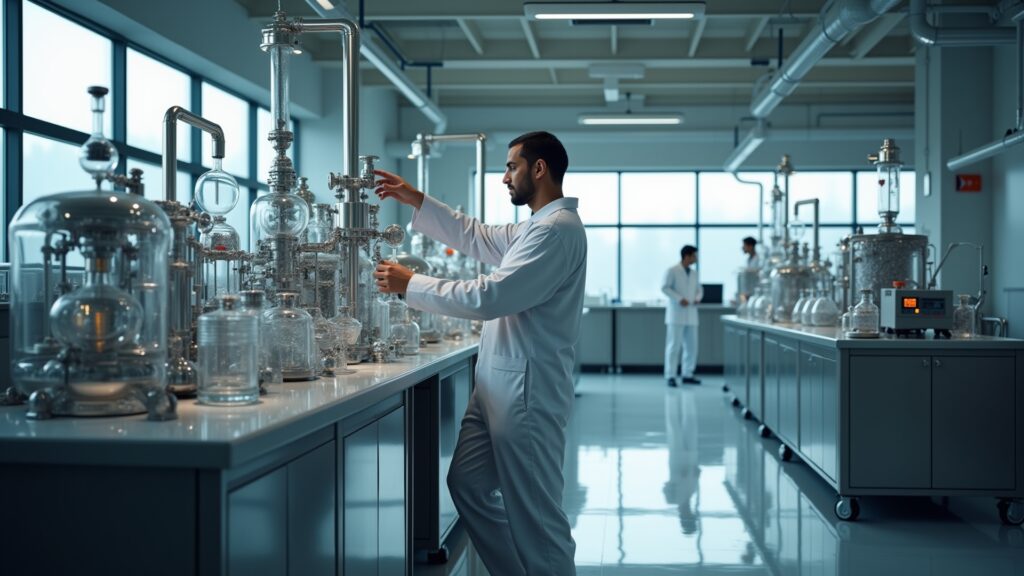
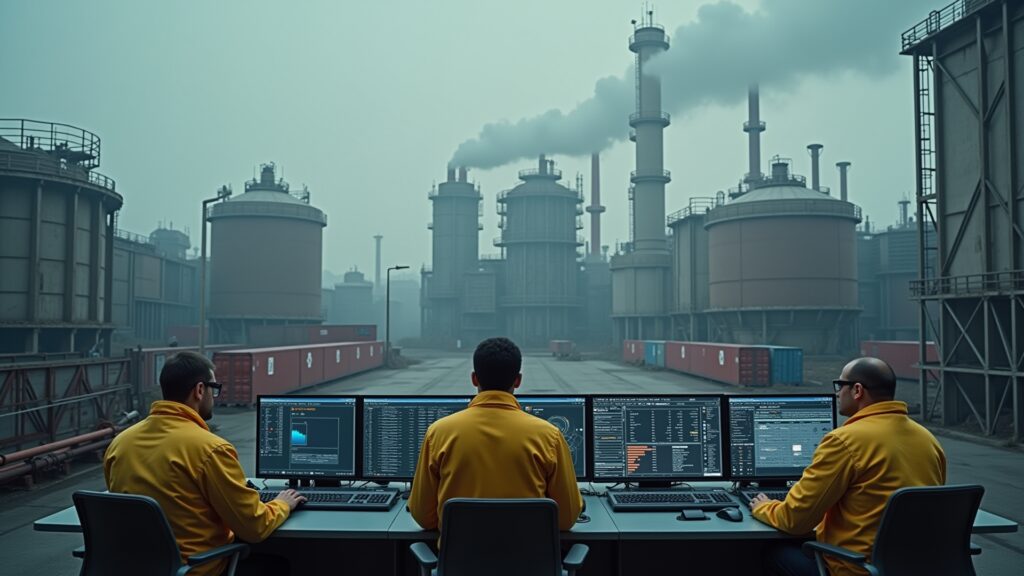
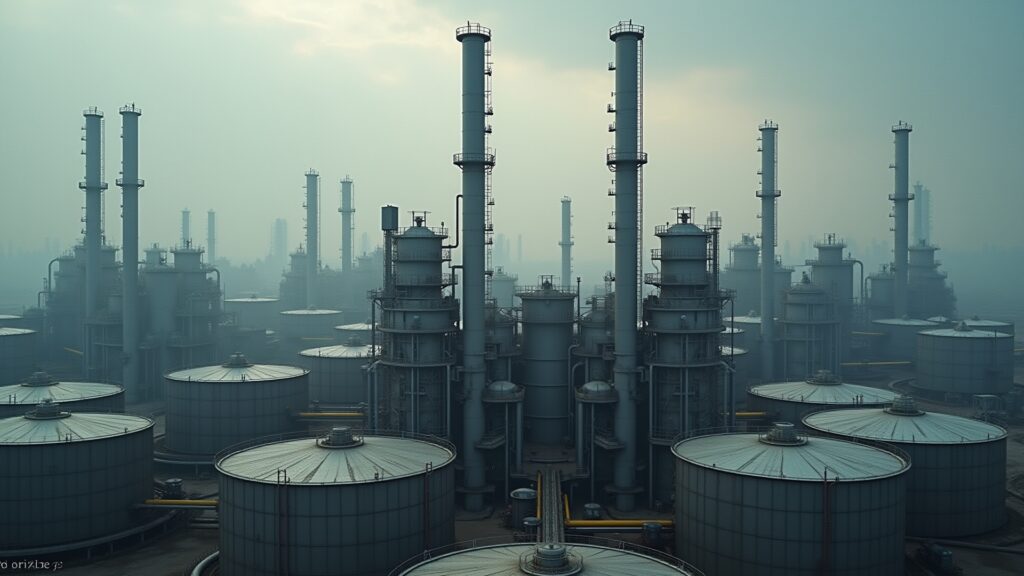
The recent 9% decline in ammonium nitrate production at Russia’s Azot plant is more than a regional disruption; it is a strategic event that should command your immediate attention as a stakeholder in the global chemicals industry. Whether you lead a chemical manufacturing operation, oversee procurement, or direct export strategy, this development impacts your supply chain resilience, cost structures, and long-term competitiveness — particularly if your business intersects with fertilizers, specialty chemicals, or industrial materials.
Why You Should Care About Russia’s Production Dip
Ammonium nitrate is a cornerstone chemical in multiple industries, prominently in fertilizers critical for agricultural output and explosives used in mining and construction. With Russia ranking among the significant producers through key facilities like Azot, any contraction in its output ripples through global supply chains that you depend on. The 9% reduction, triggered by targeted strikes, exposes the fragility of supply sources embedded in geopolitically sensitive regions and underscores the pressing need for you to reconsider your supply chain strategies.
What Is Happening at Russia’s Azot Facility?
The Azot plant, integral to Russia’s ammonium nitrate production capacity, saw a notable 9% output drop following recent external strikes. These disruptions reflect broader geopolitical tensions and regional security challenges that have direct implications on industrial chemical manufacturing continuity.
For professionals like yourself, this points to a volatile production environment where infrastructural and operational risks can swiftly affect availability and pricing in markets worldwide.
Strategic Implications for Your Chemicals Manufacturing and Supply Chain
- Supply Chain Resilience Is Non-Negotiable: A 9% dip may seem modest, but it reveals how a single point of failure in a geopolitically sensitive location can destabilize supply. You need to revisit your sourcing frameworks to integrate alternative suppliers, diversified geographies, and buffer stock strategies.
- Market Volatility and Feedstock Costs: Production setbacks escalate feedstock price fluctuations. These cost dynamics directly influence your profit margins and pricing decisions, especially if you operate downstream specialty or agrochemical units reliant on ammonium nitrate inputs.
- Accelerating China+1 Sourcing Strategies: With geopolitical risks at play, the momentum behind China+1 diversification — shifting investments and capacity expansions to other hubs — becomes a viable path to mitigate exposure and enhance supply security.
Insights for India’s Chemicals Sector: Turning Risk into Opportunity
Your role in India’s burgeoning chemicals industry is pivotal. As a rising global manufacturer and exporter, India’s experience with Azot’s production dip is a timely reminder of the importance of self-reliance in critical chemicals like ammonium nitrate. Strengthening domestic manufacturing capacity is no longer optional; it is essential to reduce dependence on imports and bolster national supply chain stability.
Government initiatives promoting chemical parks and manufacturing infrastructure offer fertile ground for strategic investments. By leveraging these schemes, you can elevate India’s position as a resilient chemical hub and capitalize on export opportunities created by shifting global supply networks.
Analyzing Broader Industry and Market Trends
The decline in Russian ammonium nitrate production is indicative of wider trends shaping the chemicals sector:
- Sustainability and Green Chemistry: There is growing incentive for your operations to adopt greener production methods and circular economy principles—this can differentiate your products and align with global regulatory trajectories.
- Technology and Innovation: Innovations in process efficiency and digital transformation can help you insulate production capabilities from external shocks and operational inefficiencies.
- Strategic Partnerships: Collaborative regional networks and joint ventures will be central to building supply chains that are agile, transparent, and responsive to fluctuating market realities.
“In the chemicals industry, resilience is built as much through procurement and process discipline as through scale.”
“The real edge is not only in producing more, but in producing smarter, cleaner, and closer to where demand is shifting.”
Key Takeaways to Guide Your Next Moves
- Understand the implications of geopolitical instability on your core feedstocks, especially ammonium nitrate.
- Monitor supply disruptions in proximate and critical regions like Russia and evaluate vulnerabilities within your sourcing strategies.
- Prioritize supply chain diversification, including exploring China+1 alternatives and regional suppliers.
- Invest in sustainability and green chemical production approaches, aligning with rising regulatory and market preferences.
- Capitalize on domestic manufacturing initiatives, particularly in emerging hubs like India, to anchor supply security.
- Engage in partnerships that strengthen supply chain agility and foster innovation across production and logistics.
Risks and Cautions You Must Factor In
While the decline is currently at 9%, ongoing geopolitical tensions could exacerbate production interruptions or expand to other facilities, heightening volatility. You must continuously assess risk exposure and develop contingency plans to avoid sudden supply shortages or price shocks.
Additionally, overreliance on single-source or region-specific supplies exposes your operations to elevated risks. Financial prudence in capacity investments and careful capital allocation will be critical amid such uncertainties.
What to Keep Watching in the Months Ahead
Stay alert to developments in Russia’s production recovery timeline, shifts in regulatory policies impacting fertilizer and chemical exports, and capacity expansion announcements from emerging markets like India and Southeast Asia. Technology breakthroughs in green ammonium nitrate manufacturing and circular economy initiatives may also redefine competitive advantages.
Conclusion: Why Russia’s Ammonium Nitrate Production Decline Is Your Strategic Signal
The 9% reduction in ammonium nitrate output from Russia’s Azot plant is not just a statistic. It is a clear strategic signal urging you to rethink supply chain resilience, invest in diversified sourcing, and embed sustainability into your chemicals manufacturing strategy. The evolving geopolitical landscape demands that you approach production, procurement, and investment with agility and foresight. By doing so, you position your business not only to withstand shocks but to capitalize on the emerging opportunities as global chemical supply chains realign.
“When feedstock strategy, manufacturing efficiency, and market timing align, chemicals growth becomes far more defensible.”