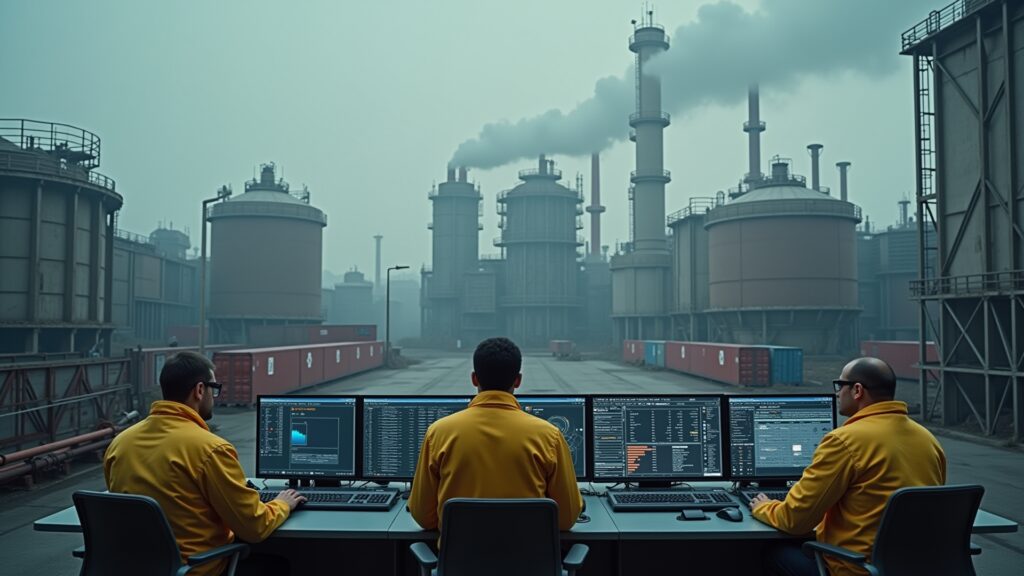
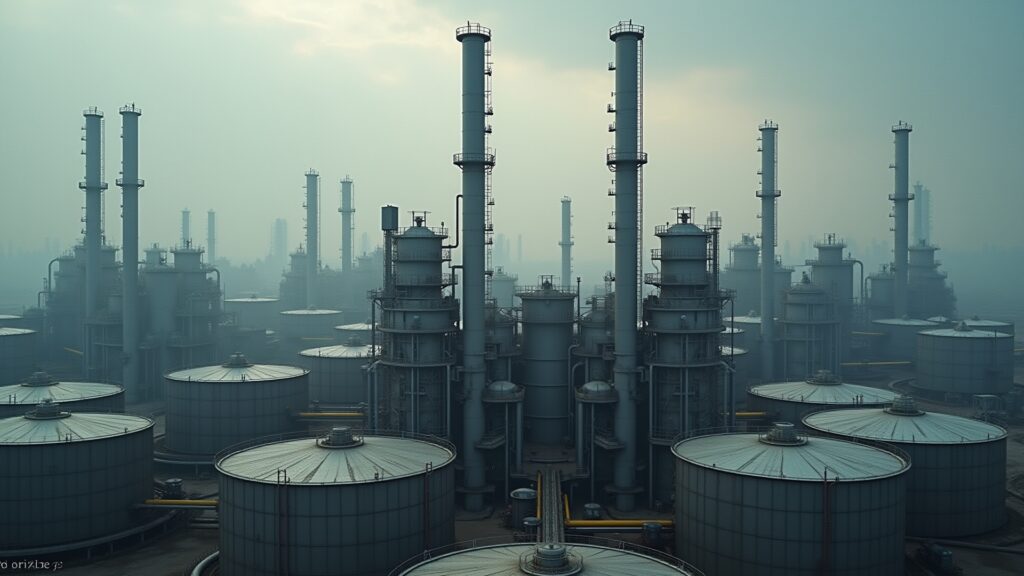
As a leader in the chemicals or petrochemicals sector, you understand that operational efficiency and environmental stewardship are no longer optional—they are imperatives shaping the future of refining and chemical manufacturing. Enclosed coke handling solutions represent a pivotal innovation that directly addresses your dual challenges of managing byproducts responsibly while safeguarding process efficiency and compliance. This development is transforming refinery operations, enabling you to meet stringent environmental regulations, optimize logistics, and secure your competitive positioning in a globally evolving industry.
Why Enclosed Coke Handling Matters To You
The handling of petroleum coke, a heavy hydrocarbon refinement byproduct, has historically been a complex challenge. Open coke handling systems expose your operations to significant fugitive dust emissions, environmental pollution, and workplace safety hazards. These factors increase your operational risk profile, exposing your business to regulatory penalties and reputational harm. At the same time, inefficiencies in handling disrupt supply chain continuity and add hidden costs.
With rising global and Indian environmental standards tightening, embracing enclosed coke handling solutions is no longer just a compliance checkbox—it’s a strategic business enabler. This technology reduces dust release and contamination, offering you safer, cleaner, and more predictable processes that enhance worker safety and operational reliability. In your role, this means fewer disruptions, lower fines, and a stronger ESG narrative for investors and stakeholders.
What’s Transforming Your Refinery Operations
Enclosed coke handling solutions function by mechanizing and sealing the transport and storage of petroleum coke. This containment drastically reduces fugitive emissions—a major source of environmental pollution. By replacing traditional open systems with sealed conveyors, silos, and transport lines, you effectively eliminate coke dust leakage and limit ambient contamination risks.
This innovation aligns well with global moves toward sustainable manufacturing. For instance, Indian refineries increasingly participate in international petrochemical supply chains that emphasize carbon footprint reduction and environmental accountability. Adopting enclosed systems positions you strategically for both domestic market competence and export readiness.
Strategic Impact on Chemicals and Petrochemicals Business
From your business vantage point, enclosed coke handling solutions deliver multiple dimensions of value:
- Regulatory Compliance: Keeping ahead of environmental laws safeguards your license to operate and avoids costly disruptions or penalties.
- Operational Excellence: Controlled handling conditions foster smoother material flow, reduce downtime, and improve plant safety standards.
- Supply Chain Resilience: Predictable coke management enhances your production scheduling precision and shipping reliability, critical in volatile feedstock markets.
- Reputation and ESG Performance: Demonstrating proactive environmental management attracts investors focused on sustainable industries.
Given India’s rising prominence as a petrochemical export hub, the competitive advantage conferred by such process innovations can be decisive. You’ll find these systems integral to navigating shifting global trade dynamics and increasingly stringent green manufacturing mandates.
Deeper Insight: Integration with Sustainability and Circular Economy Principles
Enclosed coke handling isn’t merely an emissions control tool—it’s a gateway to circular economy integration. Captured coke dust can be recovered and repurposed within specialty chemicals or energy sectors, turning waste into resource. This adds a layer of material efficiency that complements your sustainability goals and cost-containment strategies.
From an investment perspective, enclosed solutions align with policy incentives promoting clean industrial infrastructure and chemical park developments in India. This strategic tech adoption could facilitate access to green financing routes and bolster your standing with regulators concerned about long-term industrial ecosystem resilience.
Practical Takeaways: What You Should Do Next
- Evaluate your current coke handling systems for fugitive emission risks and operational bottlenecks.
- Investigate enclosed technology providers with proven track records in refinery applications.
- Align implementation strategies with your broader sustainability and compliance roadmap to maximize regulatory and financial benefits.
- Build cross-functional collaboration between operations, environmental management, and supply chain teams for seamless integration.
- Monitor evolving environmental policies closely, especially in India and export markets, to stay ahead of compliance thresholds.
“In the chemicals industry, resilience is built as much through procurement and process discipline as through scale.”
Risks and Challenges to Keep in Mind
While enclosed coke handling offers substantial benefits, you should consider potential challenges such as upfront capital investments, retrofit complexities in existing plants, and technology adaptation to local operational conditions. Your implementation strategy must balance cost management against long-term efficiency and compliance gains.
Additionally, effective employee training and maintenance protocols are essential to optimize system performance and mitigate operational risks.
What To Watch Moving Forward
Stay attentive to innovations expanding enclosed handling capabilities and integration with digital process controls. Advances in sensor technology and automation could further improve emissions tracking and operational precision, enhancing your ability to meet both business and regulatory objectives.
Watch for policy shifts that may introduce stricter emissions limits or incentivize circular economy practices across chemical parks and refinery zones, particularly in fast-developing economies like India.
Conclusion: The Strategic Edge of Enclosed Coke Handling Solutions
As you steer your refinery or petrochemical business amid rapid industrial transformation, enclosed coke handling solutions offer a decisive edge. They equip you to reduce environmental emissions, improve process safety, and streamline operations—factors that directly influence your profitability and market standing.
More than compliance tools, these systems are strategic enablers that align operational excellence with sustainability imperatives and supply chain resilience. For Indian and global chemical sector leaders, integrating enclosed coke handling solutions positions you to lead competitively in an era where cleaner, smarter refining operations define industry leadership.
“The real edge is not only in producing more, but in producing smarter, cleaner, and closer to where demand is shifting.”
Embracing these advancements puts your operations at the forefront of industrial innovation—ready to navigate evolving market demands, regulatory landscapes, and sustainability expectations with confidence.