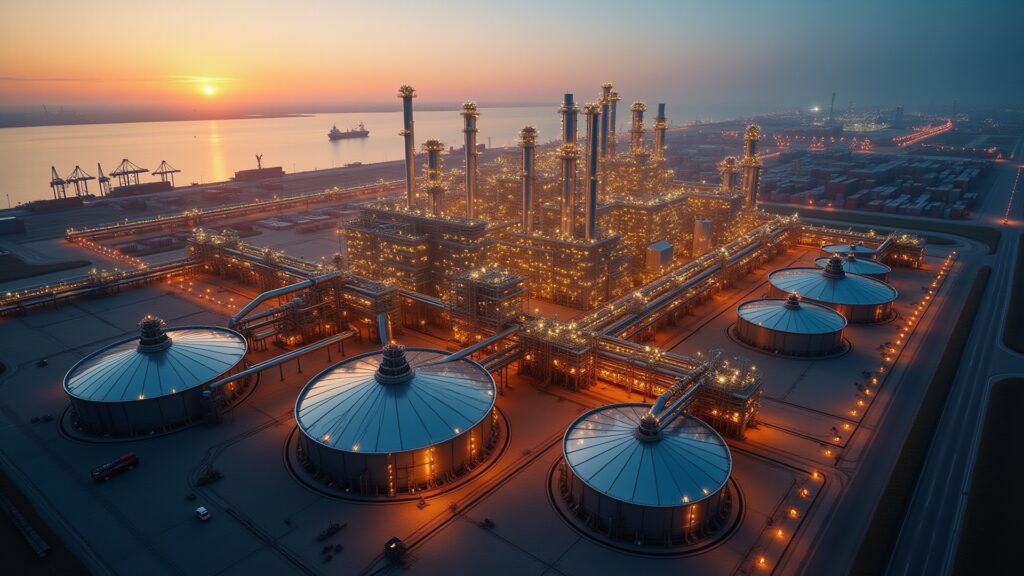
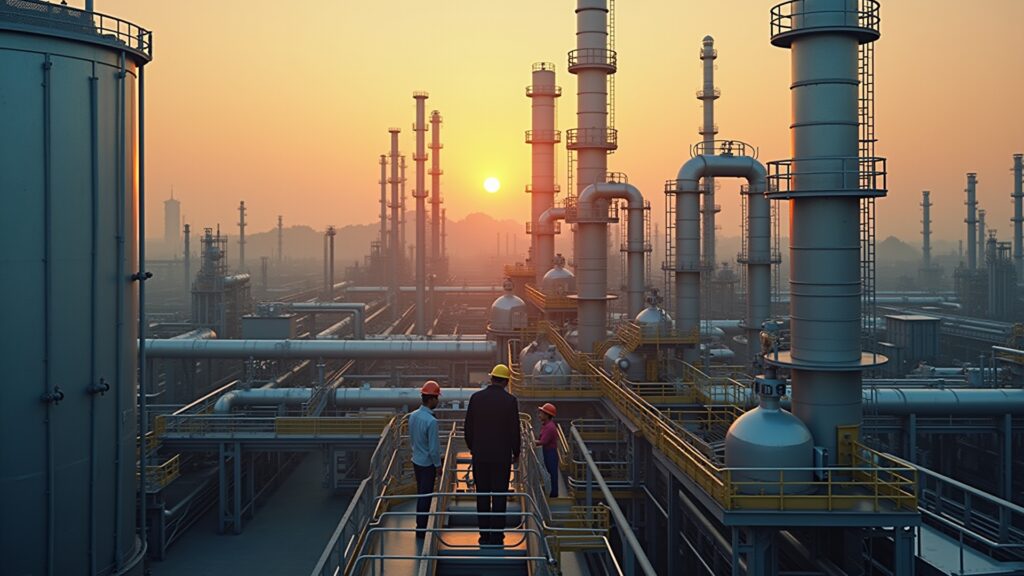
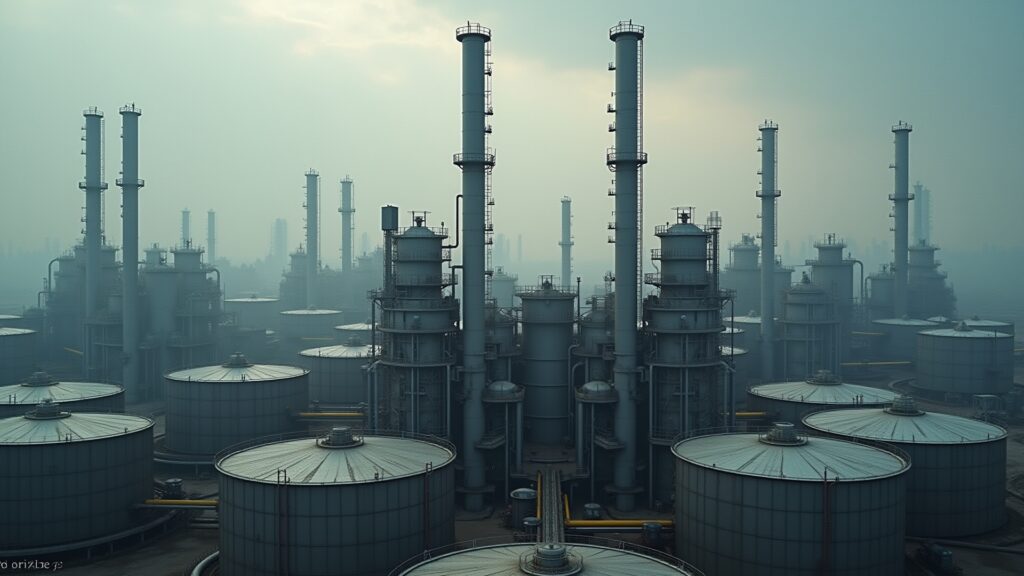
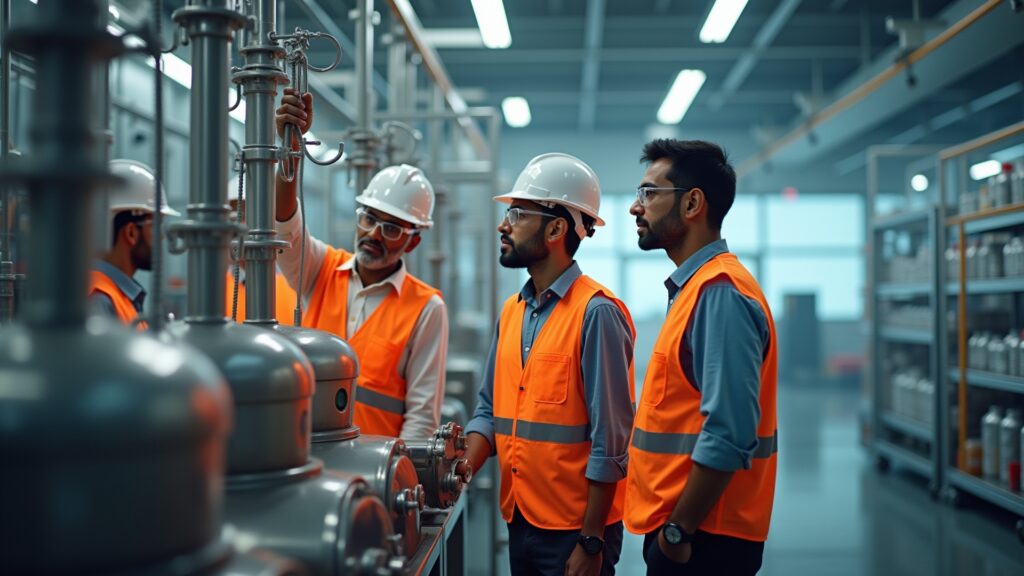
As a leader or decision-maker in the chemicals industry, you understand that operational continuity and supply chain integrity are critical to sustaining profitability and market position. The recent drone attack on a pipeline at one of Russia’s largest chemical plants in the Vologda region sharply brings into focus the rising security risks faced by essential petrochemical infrastructure. This incident is more than a localized disruption — it is a signal for you to reconsider how geopolitical vulnerabilities in key supplier regions could affect your business strategy, manufacturing capacity, and global competitiveness.
Why This Development Demands Your Attention
The chemicals sector increasingly relies on complex, global supply chains that hinge on stable access to feedstocks and uninterrupted production at major plants. Russia is a dominant force in petrochemical and industrial chemical production, supplying crucial intermediates and materials worldwide. Any instability within this network—notably through attacks on physical infrastructure—can ripple through supply lines, impacting pricing, delivery schedules, and contractual commitments affecting your bottom line. For you, this means rethinking risk management not as a theoretical exercise but as an operational imperative.
The Incident: What Happened and What It Means
The targeted assault using drones compromised a critical pipeline within the Vologda chemical complex, a facility integral to processing and distributing feedstock for various chemical products. Such damage can cause immediate production bottlenecks and delays in fulfilling export agreements. Even isolated incidents hold the potential for cascading effects across the raw materials market, influencing global petrochemical availability and pricing volatility—an environment you must strategically navigate.
Strategic Implications for Your Chemical Manufacturing and Supply Chain
From a manufacturing standpoint, this incident underscores the urgent need to integrate physical security threats alongside traditional operational risks within your risk assessment frameworks. You should view supply chain diversification, incorporating strategies like China+1 sourcing and alternative feedstock procurement, as vital to mitigating impact from regional instability.
Moreover, reliance on single points of production or export routes, particularly in geopolitically sensitive regions, increases your exposure. Proactively assessing your supplier portfolio and investing in resilient logistics options can safeguard production continuity and competitive positioning.
Investors and Exporters: Navigating Geopolitical Uncertainty
For investors and exporters deeply engaged in petrochemical markets, geopolitical security concerns translate into tangible asset risks and potential market access challenges. The increased incidence of attacks accelerates interest in emerging regional players such as India, which is strategically expanding its chemical manufacturing and export capabilities to capitalize on global shifts.
As a stakeholder, you need to factor geopolitical stability into your investment evaluation and market diversification strategies to future-proof your portfolio and maintain growth trajectories.
Policy Perspective: Strengthening Chemical Park Security and Industrial Resilience
This event should be a clarion call for policymakers and industry leaders alike. You benefit from understanding that building secure, resilient industrial ecosystems requires not only heightened physical protection measures but also enhanced regulatory frameworks and international collaboration.
Investments in smart infrastructure, digital monitoring technologies, and emergency response capacities are no longer optional but essential for protecting your regional and global supply chains against evolving threats.
Driving Innovation and Business Continuity Amidst Security Concerns
While the immediate operational disruptions posed by such attacks are concerning, they also present an impetus for you to accelerate adopting advanced process innovations and automation. Digital transformation in monitoring and control systems can enhance your plant’s resilience and operational agility.
“In the chemicals industry, resilience is built as much through procurement and process discipline as through scale.”
Embedding these capabilities into your long-term strategic planning will help you stay ahead in a world where supply chain risks are increasingly multidimensional.
Practical Takeaways for Chemicals Industry Leaders
- Understand the evolving security landscape: Closely monitor geopolitical developments impacting key chemical production regions.
- Enhance risk management frameworks: Incorporate physical and geopolitical risks alongside operational and financial risks.
- Diversify supply chains: Explore China+1 sourcing strategies and increase feedstock procurement flexibility.
- Invest in digital transformation: Adopt process innovation and automation to boost plant resilience.
- Engage with policymakers: Advocate for stronger industrial infrastructure security and regulatory support.
- Evaluate market exposure: Consider regional shifts and emerging opportunities, such as India’s growing role in petrochemicals.
Expert Insights
“The real edge is not only in producing more, but in producing smarter, cleaner, and closer to where demand is shifting.”
“When feedstock strategy, manufacturing efficiency, and market timing align, chemicals growth becomes far more defensible.”
Risks and Challenges You Should Be Prepared For
You must remain alert to the risk of heightened geopolitical tensions causing further physical disruptions to critical infrastructure. Such incidents can induce supply bottlenecks and spike raw material costs, pressuring margins and complicating contractual obligations.
Operational contingencies around crisis response, insurance adequacy, and supplier diversification will be critical to mitigate these risks. Also, anticipate regulatory shifts as governments respond to vulnerabilities, requiring compliance agility.
What to Watch Next in the Chemicals Supply Chain Landscape
Pay close attention to developments in regional manufacturing hubs vying to fill potential supply gaps created by instability in Russia. Watch for accelerated policy actions around chemical infrastructure security and shifts in international trade alliances affecting petrochemical flows.
Tracking technology adoption trends in digital monitoring and automated process controls will also provide insight into sector resilience trajectories moving forward.
Conclusion: Embedding Security Risk Awareness into Your Chemicals Strategy
Security risks at Russian chemical plants are no longer remote concerns but significant factors shaping global petrochemical supply dynamics. For you and your organisation, recognizing these risks as integral to supply chain strategy, investment decisions, and operational frameworks is essential. By proactively integrating robust risk management, diversifying sourcing, embracing innovation, and engaging in policy dialogue, you will enhance your ability to navigate an evolving global market while protecting profitability and competitive advantage.
Focus on security risks Russian chemical plants is not merely a headline—it represents a strategic challenge shaping the future of the chemicals industry worldwide.