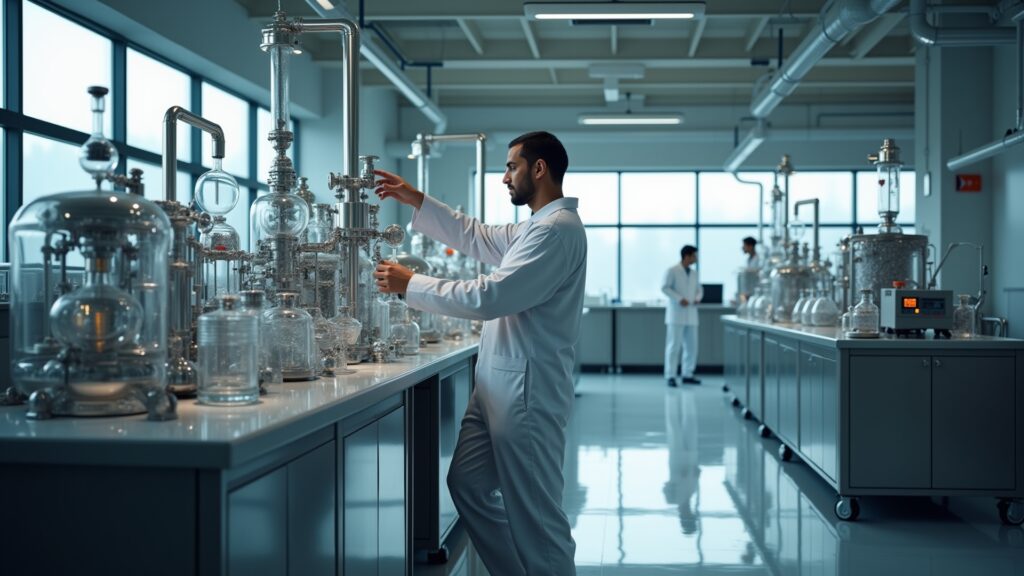
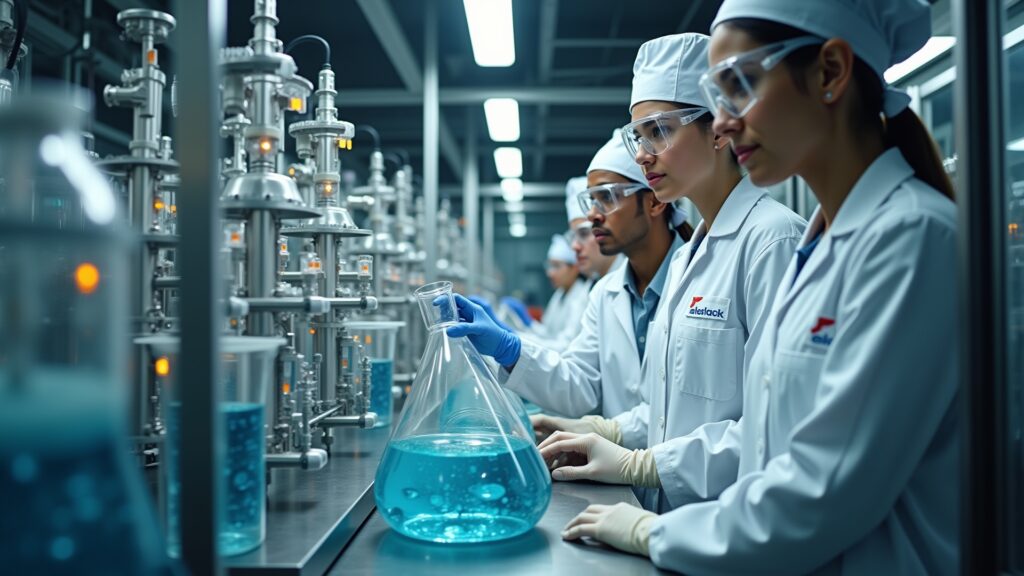
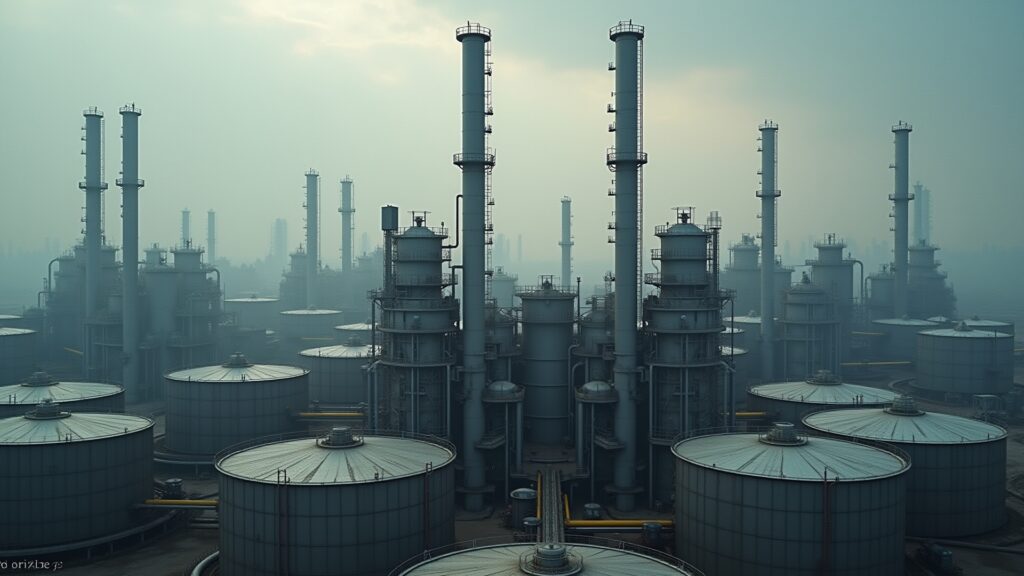
The diphenyl oxide market is entering a transformative phase through 2035, driven by significant innovations in bioprocessing and pharmaceutical-grade chemical manufacturing. As a decision-maker or investor in the chemicals sector, you must understand how these dual forces are redefining the growth trajectory of this specialty chemical, positioning it at the intersection of sustainability, precision, and performance enhancement.
Why This Matters to You
Whether you lead a specialty chemicals company, oversee manufacturing operations, or strategize investment in petrochemicals and intermediates, the evolving diphenyl oxide market holds critical implications. The convergence of bioprocessing trends and heightened pharma-quality standards creates a high-value niche where product purity and sustainable practices unlock premium pricing and export advantages. Recognizing these shifts allows you to align your business strategy with emerging demand sectors and regulatory frameworks, ensuring competitiveness in a rapidly advancing landscape.
What Is Driving the Diphenyl Oxide Market Growth?
At the heart of this evolving market is bioprocessing — the utilization of biological systems to manufacture chemicals and pharmaceuticals with enhanced specificity and sustainability. Diphenyl oxide’s role as a solvent and intermediate in high-purity chemical syntheses makes it increasingly indispensable in these applications.
On the pharmaceutical front, innovation in formulations and manufacturing standards drives the need for ultra-high purity feedstocks. Companies capable of meeting stringent pharma-grade certifications are best positioned to capitalize on this rising demand. As a result, manufacturers expanding their capacity to include pharma-grade diphenyl oxide open pathways to premium margins and enhanced export credibility.
Strategic Impact on Specialty Chemicals and Pharma Suppliers
You should view the diphenyl oxide market as a bellwether for broader specialty chemicals evolution toward higher complexity and quality. This growth signals a strategic opportunity to innovate in process efficiency and sustainability.
- Investing in capacity expansion with pharma-grade quality ensures elevated market positioning and pricing power.
- Refining your chemical purity and production processes can differentiate your offerings amid increasing competition.
- Integrating sustainable manufacturing aligns with customer expectations and regulatory demands, mitigating future risks.
For chemicals business owners and plant heads, these factors are vital for securing long-term profitability and resilience in a highly volatile global supply chain environment.
Supply Chain Realities and Market Outlook
Global supply chain volatility and feedstock price fluctuations remain pain points. However, the strategic localization of specialty chemical production — particularly in India — is emerging as a compelling response. India’s growing position as a chemicals and pharma production hub offers you advantages in cost, supply chain control, and regulatory alignment.
This regional manufacturing renaissance not only addresses supply reliability but also aligns with sustainability mandates, crucial for chemicals destined for pharmaceutical and bioprocessing applications. For investors and exporters, aligning with such integrated ecosystems strengthens global competitiveness.
Innovation and Sustainability as Differentiators
Sustainability is no longer an option but a business imperative shaping your production and investment decisions in specialty chemicals.
By embracing green chemistry principles, cleaner production technologies, and process innovations, you can optimize resource efficiency, reduce environmental impact, and meet evolving regulatory standards.
“The real edge is not only in producing more, but in producing smarter, cleaner, and closer to where demand is shifting.”
Companies pioneering sustainable diphenyl oxide production will likely set new benchmarks for profitability and market leadership, as customers and regulators increasingly prefer environmentally responsible supply chains.
Practical Takeaways for Chemicals Leaders
- Understand the growing intersection of bioprocessing and pharmaceutical-grade innovation driving diphenyl oxide demand.
- Monitor evolving pharma quality certifications and sustainability regulations that influence your production and market access.
- Consider investing in production capacity with a focus on process efficiency, chemical purity, and green manufacturing.
- Evaluate supply chain localization strategies, especially in India and other emerging hubs, to hedge volatility and enhance competitiveness.
- Diversify your specialty chemical portfolio by including high-value intermediates like diphenyl oxide aligned with future industry needs.
Expert Perspective
“In the chemicals industry, resilience is built as much through procurement and process discipline as through scale.”
“When feedstock strategy, manufacturing efficiency, and market timing align, chemicals growth becomes far more defensible.”
Risks and Challenges Ahead
Despite the promising outlook, navigating feedstock volatilities and ensuring consistent quality for pharma-grade applications remain challenges. Capital investments in advanced manufacturing must be balanced with market demand realities and regulatory compliance costs.
Furthermore, competition from regions with lower operating costs or less stringent regulations can pressure margins. You must plan strategically to innovate continuously and maintain quality leadership to sustain your positioning.
What to Watch Next
Keep an eye on:
- Emerging regulatory frameworks worldwide influencing specialty chemical manufacturing and export.
- Technological advances in bioprocessing and green chemical synthesis that reduce costs and improve purity.
- Geopolitical shifts affecting supply chain localization and trade policies, especially between India, China, and Western markets.
- Investment flows into specialty chemicals capacity expansions targeting pharma-grade intermediates.
Conclusion
The diphenyl oxide market growth driven by bioprocessing advancement and pharmaceutical-grade innovation is a strategic development you cannot afford to overlook. This specialty chemical stands at the forefront of a sophisticated, sustainability-focused, and technologically advanced chemicals landscape that rewrites profitability and export opportunity criteria.
By aligning your business strategies with these trends—incorporating capacity expansion, quality innovation, and domestic supply chain optimization—you position your enterprise for robust growth and long-term competitiveness in a shifting global chemicals industry.
Focus on diphenyl oxide market growth, bioprocessing innovation, and pharma-grade quality now to secure your place in tomorrow’s chemicals economy.