With the increasing demand for efficiency in the petrochemical industry, understanding how integrated petrochemical complexes can enhance your competitive edge is vital. These complexes enable you to streamline operations, reduce costs, and optimize resource allocation, ultimately leading to improved product quality and market responsiveness. By leveraging integration, you can position your business to capitalize on emerging market opportunities and strengthen your overall profitability.
Key Takeaways:
- Integrated petrochemical complexes enhance operational efficiency by optimizing resource allocation and streamlining processes across various stages of production.
- By leveraging shared infrastructure, these complexes reduce costs and improve economies of scale, enabling companies to offer more competitive pricing.
- Incorporating advanced technologies within integrated systems fosters innovative product development and strengthens market responsiveness.
Understanding Integrated Petrochemical Complexes
Integrated petrochemical complexes represent a strategic fusion of refining and petrochemical manufacturing processes, maximizing operational efficiency and product output. These complexes enable companies to streamline operations, reduce waste, and leverage by-products effectively. By bringing together various segments of the petrochemical value chain, you can enhance oversight and bolster profit margins.
Definition and Components
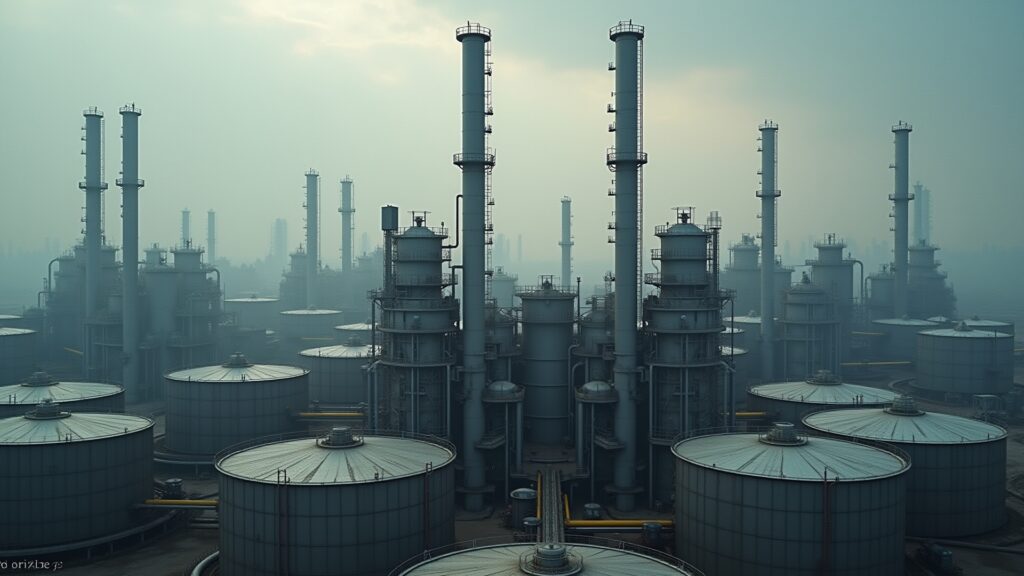
At its core, an integrated petrochemical complex consists of interconnected facilities that convert crude oil and natural gas into a range of chemicals and fuels. Key components include refineries, ethylene crackers, polymer plants, and downstream processing units. Together, these elements work in harmony to optimize resource use and minimize operational downtime.
Benefits of Integration
Integration offers significant advantages, including cost reductions, improved product quality, and greater market agility. By consolidating operations, you can eliminate inefficiencies, align supply chains, and enhance regulatory compliance, ultimately leading to a stronger competitive position in the market.
The benefits of integration extend beyond mere cost savings. For instance, firms that implement integrated operations often experience a reduction in production costs by as much as 20-30% due to shared utilities and resources. Greater flexibility in production allows you to respond promptly to shifts in market demand, ensuring that your facility can pivot quickly to capitalize on emerging trends. Additionally, integrated systems can foster innovation by encouraging closer collaboration between engineering, production, and research teams, driving advancements in technology and processes.
Global Competitiveness Landscape
Your understanding of the global competitiveness landscape is necessary in navigating the petrochemical sector. Complexes that integrate various stages of production offer significant advantages, ensuring lower operational costs and quicker market responsiveness. Regions leading in innovation and sustainable practices increasingly dictate market directions, pushing others to adapt or fall behind. The growth of emerging markets further complicates the landscape, forcing existing players to reassess strategies in alignment with global shifts and demands.
Market Trends and Dynamics
Market dynamics are shifting towards sustainability, with consumers demanding greener products and processes. The petrochemical industry is witnessing increased investment in bio-based feedstocks and recycling technologies to respond to this trend. You will observe that companies aligning their offerings with sustainable practices not only enhance brand loyalty but also capture a larger market share. The pressure for compliance with stricter environmental regulations is pushing the entire sector towards innovation and efficiency.
Role of Innovation
Innovation serves as the backbone of competitiveness in the petrochemical industry. Companies that prioritize research and development (R&D) can create more efficient processes, leading to reduced costs and improved product quality. For instance, advanced catalysts and process optimization technologies have been instrumental in enhancing output while minimizing energy consumption. By investing in cutting-edge technologies, your organization can remain agile and responsive to market changes.
Fostering a culture of innovation fuels your competitive edge. Recent advancements, such as digital twin technology and machine learning, allow for real-time data analysis and predictive maintenance, streamlining operations. Companies embracing these technologies have reported productivity increases of over 20%. By focusing R&D on novel materials and processes, you can significantly improve the environmental footprint of your operations, meeting both consumer and regulatory demands while capitalizing on new market opportunities. Collaborations with universities and other research institutions can also accelerate innovation pipelines, making your complex more resilient in the face of challenges.
Economic Impacts of Integration
Integrating petrochemical complexes significantly boosts competitiveness by driving economic impacts across multiple dimensions. You can see marked improvements in productivity, market responsiveness, and profitability through streamlined operations. Enhanced collaboration across various stages of production enables companies to react swiftly to market fluctuations, thereby securing a stronger foothold in the industry. As integrated systems minimize redundancies and improve overall performance, the economic advantages are both immediate and long-term.
Cost Efficiency and Resource Optimization
By integrating various processes, you can achieve remarkable cost efficiency and resource optimization. Shared utilities and infrastructure reduce operational expenses, while centralized management allows for better allocation of raw materials. For example, a connected system can repurpose byproducts from one process as feedstock in another, leading to less waste and maximized value extraction.
Enhanced Supply Chain Management
Your supply chain management becomes significantly more effective with integrated petrochemical complexes. The ability to share information seamlessly across different operations facilitates real-time monitoring and forecasting. This connection leads to reduced lead times and improved inventory management, allowing you to align production schedules with market demand more effectively.
In practice, enhanced supply chain management means you can utilize advanced analytics to predict disruptions and adapt your logistics accordingly. For example, if a natural disaster threatens transportation routes, integrated systems can reroute resources proactively, ensuring continuity. Additionally, applying just-in-time strategies effectively minimizes storage costs while maintaining sufficient product availability, as seen in industry leaders who leverage digital twins for precision tracking. Ultimately, a robust supply chain empowers you to optimize costs and improve customer satisfaction simultaneously.
Technological Advancements
Embracing technological advancements in integrated petrochemical complexes can significantly enhance your operation’s efficiency and sustainability. Innovations in catalyst development, process intensification, and energy recovery systems allow you to optimize production while reducing waste. Continuous investment in cutting-edge technologies helps you stay competitive in a rapidly evolving landscape, leading to cost reductions and improved product quality.
Process Innovations
Process innovations play a vital role in streamlining operations within integrated petrochemical complexes. By adopting advancements such as continuous processing and modular production techniques, you can minimize downtime and enhance flexibility. These innovations not only speed up production times but also facilitate the ability to respond to shifting market demands efficiently.
Digital Transformation in Petrochemicals
Digital transformation has become a cornerstone of operational excellence in petrochemicals. Advanced analytics, IoT sensors, and machine learning enable real-time data analysis, leading to informed decision-making and enhanced predictive maintenance. By leveraging these technologies, you can reduce operational risks and optimize resource utilization.
Digital transformation is not merely a trend but a necessary evolution in the petrochemical sector. Implementing predictive analytics allows for actionable insights that can forecast equipment failures, reducing unplanned downtime by 20-30%. Moreover, the integration of IoT devices provides you with granular visibility into operations, allowing more precise control over production processes. Companies adopting these digital strategies report up to 10% reductions in production costs and substantial gains in operational efficiency, underscoring the significant impact of technology in fostering a competitive edge.
Environmental Considerations
You must weigh the environmental implications of integrated petrochemical complexes. These facilities can lead to reduced emissions and waste through advanced technologies and processes. Emphasizing circular economy practices allows for better resource management, ultimately minimizing the ecological footprint of petrochemical operations. Balancing productivity with environmental stewardship is important for sustainable growth.
Sustainability and Environmental Impact
Your focus on sustainability in petrochemical operations can yield significant environmental benefits. By adopting cleaner technologies, such as carbon capture and utilization, and leveraging renewable feedstocks, you can significantly diminish greenhouse gas emissions. These steps not only contribute to environmental preservation but also enhance your brand’s reputation as a responsible industry player.
Regulatory Framework and Compliance
Staying compliant with the regulatory framework governing petrochemical operations is vital for your success. You need to be aware of local, national, and international regulations that dictate emissions standards and waste management practices. Adhering to these rules not only mitigates legal risks but also enhances operational efficiency.
Your compliance journey begins with understanding the specific regulations applicable in your region, such as the Clean Air Act or REACH in Europe. Engaging with environmental consultants can facilitate thorough assessments and operational adjustments to meet standards efficiently. Additionally, investing in compliance-ready technologies can simplify adherence to evolving regulations, ultimately leading to increased operational agility while safeguarding the environment. By prioritizing compliance, you not only avert potential fines but also position your operations favorably in a market that increasingly values sustainability.”
Case Studies of Successful Complexes
Examining real-world examples of integrated petrochemical complexes illustrates how these facilities successfully enhance competitiveness and operational efficiencies. These case studies highlight diverse strategies and innovative practices that lead to exceptional performance metrics and industry leadership.
- Saudi Aramco’s Jubail Complex: Produces over 18 million tons of petrochemicals annually, generating approximately $50 billion in revenue.
- Dow Chemicals’ Freeport Complex: Achieved a 25% reduction in production costs through integration, now supplying 8 million tons of products to over 160 countries.
- Royal Dutch Shell’s Singapore Complex: Operates with 90% energy efficiency, integrating refining and petrochemical processes, which improves output by 20%.
- BASF’s Ludwigshafen Plant: Largest integrated chemicals complex globally, with a capacity of 15 million tons; it contributes to a revenue exceeding $100 billion.
Leading Global Examples
Analyzing leading global examples of integrated petrochemical complexes reveals significant achievements in efficiency and output. These facilities employ cutting-edge technologies and streamlined processes that allow them to dominate market share and innovate continually.
Lessons Learned
From these case studies, several lessons emerge that can directly influence your strategies. Understanding the benefits of vertical integration highlights ways to lower costs, enhance supply chain management, and optimize resource utilization.
Critical insights from the case studies emphasize the importance of innovation and flexibility in operations. For instance, facilities that adopted real-time data analytics saw a 15% increase in efficiency. Conversely, resource management practices, such as waste minimization, not only reduce environmental impact but also cut operational costs significantly. Adopting these approaches can substantially strengthen your competitiveness in the petrochemical industry and catalyze sustainable growth.
Conclusion
Hence, by leveraging integrated petrochemical complexes, you can significantly enhance your competitiveness in the market. These facilities enable streamlined operations, cost efficiencies, and improved product quality, allowing you to respond more effectively to market demands. Additionally, this integration supports innovation and sustainability initiatives, positioning you favorably against competitors. Ultimately, investing in integrated complexes can provide a strategic advantage, enabling you to thrive in a rapidly evolving industry landscape.
FAQ
Q: How do integrated petrochemical complexes enhance operational efficiency?
A: Integrated petrochemical complexes streamline production processes by combining various stages of manufacturing, from raw material processing to finished goods. This configuration reduces transportation costs, minimizes waste, and allows for better resource allocation, leading to enhanced operational efficiency.
Q: In what ways do these complexes contribute to cost competitiveness?
A: By utilizing shared infrastructure and resources, integrated petrochemical complexes can lower production costs. The synergy between different production units leads to economies of scale, which helps in reducing per-unit costs and improving pricing strategies, thus strengthening market competitiveness.
Q: How do integrated complexes foster innovation in petrochemical production?
A: The close proximity of various production processes in integrated complexes encourages collaboration between different departments, fostering an environment of innovation. This collaboration can lead to the development of new technologies and processes that improve product quality and sustainability, further enhancing competitiveness.