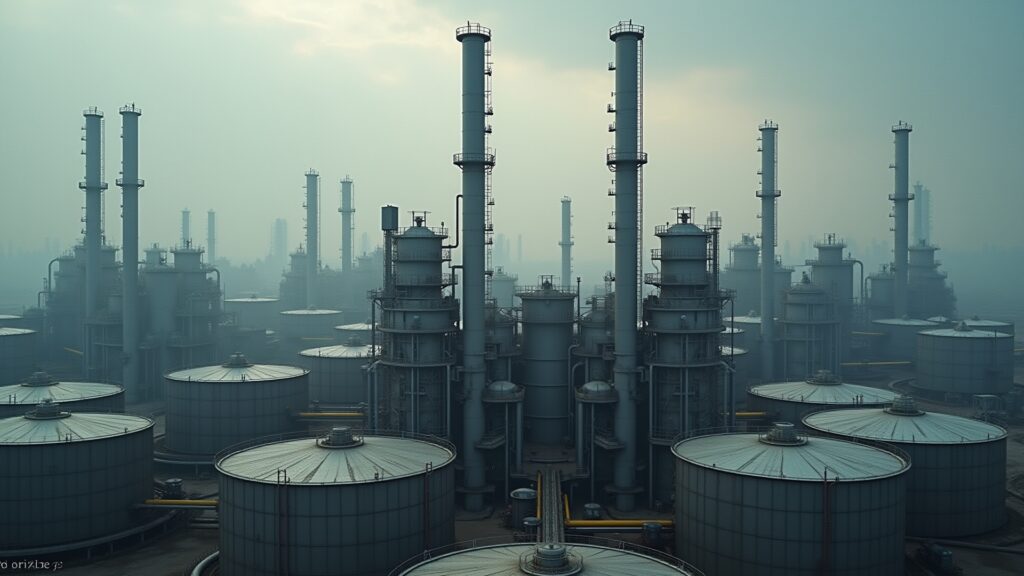
As someone deeply involved in the chemicals industry, you’re acutely aware that energy costs shape every facet of your manufacturing economics and supply chain viability. The recent surge in energy prices in Britain is not just a headline; it is a pivotal moment that puts one of the country’s last major chemical manufacturing plants at severe risk. This situation is a harbinger of challenges that could ripple through global chemical supply chains, disrupting production, profitability, and strategic positioning.
Why This Matters to You
For your business, the impact of soaring energy costs in critical manufacturing hubs like Britain defines more than local competitiveness—it signals shifts in where value is created and captured in the global chemicals sector. Rising energy costs inflate operating expenditures, squeeze margins, and force you to rethink supply chain resilience and feedstock sourcing. If you’re involved in investment, production, exporting, or policymaking, understanding these dynamics is crucial for making informed, forward-looking decisions that mitigate risk and maximize opportunity.
What Is Happening in Britain’s Chemical Manufacturing Sector
Energy prices have surged to unprecedented levels, putting immense pressure on chemical plants that depend heavily on stable and affordable energy inputs. One of Britain’s few remaining large-scale chemical facilities is now at risk of curtailment or closure as energy expenses consume a disproportionate share of operational costs. This isn’t merely a short-term hiccup; it underscores systemic vulnerabilities tied to energy price volatility, feedstock dependencies, and regulatory environments.
Key Impacts on Chemicals Business and Supply Chains
- Cost Escalation and Margin Compression: Energy accounts for a significant portion of costs in chemicals manufacturing, particularly in petrochemicals and industrial-scale specialty chemicals. Elevated prices undermine your plant’s cost competitiveness against global peers in regions with cheaper energy or integrated feedstock advantages.
- Supply Chain Realignment and Sourcing Strategy: This energy crisis accelerates the shift towards emerging chemical hubs such as India, which offers more favorable energy economics, government-supported chemical parks, and export-oriented policies. For your supply chain, diversifying away from energy-cost-volatile regions becomes imperative.
- Policy and Infrastructure Gaps: The UK’s predicament highlights the critical role of government policy in buffering energy shocks—through subsidies, infrastructural investments, or innovation incentives. Countries that proactively support chemical industry infrastructure and sustainable energy integration are positioned to attract investment and manufacturing capacity.
“In the chemicals industry, resilience is built as much through procurement and process discipline as through scale.”
Strategic Analysis: What This Means For Your Chemical Enterprise
Energy cost volatility reshapes strategic priorities. If you’re a plant head or CEO, you must evaluate your feedstock and energy sourcing strategies through a dual lens of immediate cost pressures and long-term supply chain security. The concept of the China+1 strategy—diversifying manufacturing and sourcing beyond China—is more relevant than ever, pushing you to consider geographies that balance cost, capacity, and policy incentives.
Furthermore, digital transformation and process innovation offer pathways to reduce energy intensity. Smart investments in energy efficiency can lower the break-even cost and enhance margin protection during market upheavals. Meanwhile, policymakers should consider how industrial energy policies and green chemistry initiatives can underpin sustainable competitiveness.
“The real edge is not only in producing more, but in producing smarter, cleaner, and closer to where demand is shifting.”
Practical Takeaways: What You Should Do Now
- Monitor Energy Cost Trends: Stay ahead by tracking energy price forecasts and regulatory developments in key chemical-producing countries.
- Enhance Energy Efficiency: Prioritize investments in process innovations, renewable integrations, and digital tools that reduce energy consumption.
- Diversify Geographically: Assess emerging hubs like India for expanding capacity or sourcing specialty and petrochemical feedstocks to hedge against local energy shocks.
- Engage with Policy Makers: Advocate for frameworks that support sustainable energy pricing, infrastructure development, and chemical industry competitiveness.
Risks and Challenges: Understanding the Nuances
While cost pressures are clear, you must also consider the risks of hasty relocation or over-diversification. Shifting production bases entails capital expenditure, knowledge transfer, and supply chain reconfiguration that require strategic foresight. Moreover, regulatory landscapes and sustainability standards vary widely; aligning investments with global ESG norms and future-proof industrial policies is critical to avoid unforeseen liabilities.
What to Watch Next
Keep a close eye on how the UK government responds with policy measures addressing energy costs and infrastructure. Parallelly, observe India’s evolving chemical park initiatives, energy supply reforms, and export facilitation policies, as they will set benchmarks for emerging hubs. Finally, stay informed on technological advancements in energy-efficient chemical manufacturing and digital supply chain tools that can provide competitive differentiation.
“When feedstock strategy, manufacturing efficiency, and market timing align, chemicals growth becomes far more defensible.”
Conclusion
The rising energy costs impact on chemical manufacturing in Britain is a strategic alarm bell for your business. It highlights the pressing need to adapt to energy cost volatility not just as a cost issue, but as a pivotal factor influencing global supply chains, investment decisions, and policy engagement. By focusing on operational resilience, geographic diversification, and proactive dialogue with policymakers, you can navigate these challenges effectively.
India’s emergence as a strategic chemicals hub—backed by energy-cost advantages and supportive policies—signals a broader realignment in global chemical manufacturing. Ultimately, mastering energy cost challenges will define how you sustain profitability and competitive edge over the next decade.