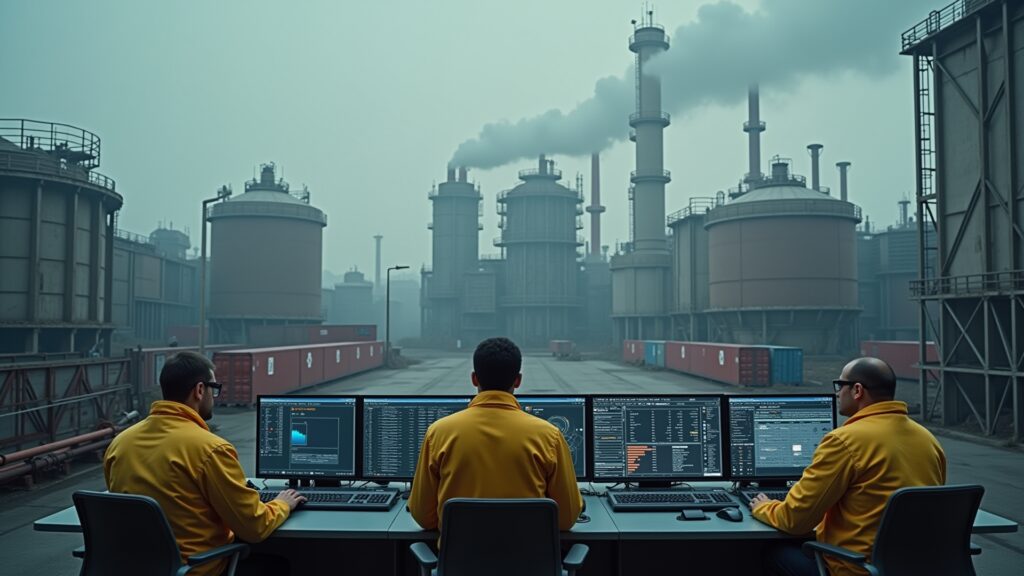
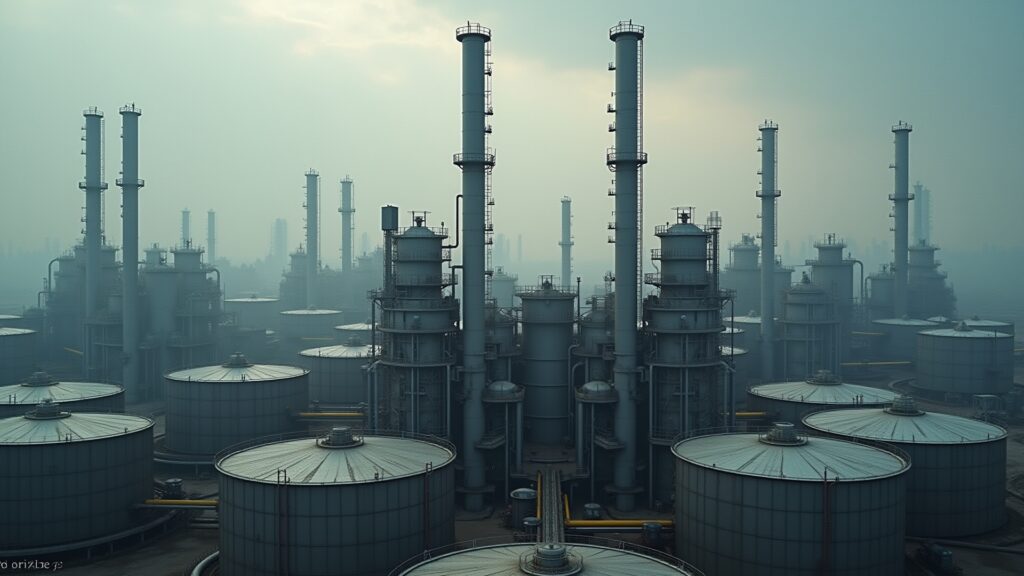
As a leader or stakeholder in the chemicals industry, you understand the critical role of feedstock strategy in shaping profitability, global competitiveness, and sustainable growth. India’s bold pivot to coal gasification offers you a compelling opportunity to reimagine your supply chain dynamics, stabilize costs, and position your enterprise at the forefront of a transformative energy and chemicals revolution. This initiative is not just about tapping coal reserves; it is a strategic lever designed to redefine how India secures feedstock, manages energy, and competes on the global chemicals map.
Why This Matters to You
The volatility of global petrochemical feedstock prices—chiefly naphtha and natural gas—poses persistent challenges for Indian manufacturers. If you are managing margins or planning capacity expansions, feedstock unpredictability can disrupt your growth trajectory profoundly. India’s coal gasification strategy directly addresses these concerns by introducing a locally sourced, potentially lower-cost alternative that can shield your operations from global market shocks while aligning with evolving environmental mandates. Understanding this shift will help you anticipate supply chain realignments, make smarter investment decisions, and harness emerging policy incentives.
Decoding India’s Coal Gasification Strategy
Coal gasification technology converts solid coal into synthesis gas (syngas)—a versatile chemical intermediate composed mainly of hydrogen and carbon monoxide. Syngas can be processed further into a range of chemicals, including methanol, ammonia, and synthetic fuels, thereby broadening the feedstock base beyond conventionally imported hydrocarbons.
This strategy leverages India’s abundant coal reserves, aiming to reduce import dependency and insulate the chemicals sector from international price fluctuations. Moreover, coal gasification facilities often form the nucleus of integrated chemical parks, enabling economies of scale, resource efficiency, and industrial symbiosis.
Key Impacts on Your Chemicals Business
- Feedstock Security and Cost Control: Locking in a domestic feedstock source reduces your exposure to volatile global naphtha and gas markets, creating a platform for predictable raw material pricing and improved operating margins.
- Export Competitiveness: Lower and more stable feedstock costs empower you to price specialty and industrial chemicals more aggressively, enhancing your standing amid the ongoing China+1 sourcing realignment and global supply chain shifts.
- Alignment with Sustainability Goals: Advanced coal gasification technologies promise cleaner utilization compared to traditional coal use, including the potential for carbon capture and by-product reuse within chemical parks, supporting your corporate ESG commitments.
- Spurring Industrial Infrastructure Development: The capital-intensive nature of coal gasification incentivizes chemical park development that attracts technology partnerships and foreign investments, driving process innovations and capacity growth opportunities for your plant.
Strategic Insight: Beyond Cost—Building Resilience and Innovation
While cost competitiveness is critical, the true edge comes from embedding coal gasification within a broader strategy of supply chain resilience and technological modernization. You should consider how this strategy integrates with digital process controls, circular economy models, and sustainability frameworks that collectively optimize plant operations and reduce environmental risks.
“In the chemicals industry, resilience is built as much through procurement and process discipline as through scale.” Embracing advanced coal gasification allows you to reaffirm your feedstock foundation, enabling smarter capital allocation and strategic risk management.
Practical Takeaways for Industry Leaders
- Monitor evolving policy frameworks: Stay informed about government incentives, environmental regulations, and capital allocation priorities related to coal gasification projects.
- Evaluate integration opportunities: Assess potential collaborations with technology partners and chemical park developers to leverage process innovations and reduce capital costs.
- Align sustainability initiatives: Investigate how coal gasification by-products and emission controls can support your environmental targets and regulatory compliance.
- Plan for export market shifts: Use feedstock cost advantages to retool pricing and marketing strategies for enhanced global competitiveness amid the China+1 sourcing landscape.
Voices from the Industry
“The real edge is not only in producing more, but in producing smarter, cleaner, and closer to where demand is shifting.”
“When feedstock strategy, manufacturing efficiency, and market timing align, chemicals growth becomes far more defensible.”
Challenges and Considerations Ahead
Despite its promise, coal gasification also brings challenges you must navigate carefully. Environmental compliance remains a key concern, as coal utilization inherently involves emissions that require mitigation through advanced technologies and rigorous monitoring. Capital intensity and technology adaptation pose execution risks, demanding strong policy support and private sector confidence. Moreover, global market trends towards decarbonization necessitate integrating coal gasification within a broader green chemistry and circular economy strategy to remain viable long-term.
What You Should Watch Next
Focus on policy developments and pilot projects that demonstrate scalable coal-to-chemicals conversion pathways. Keep tabs on emerging partnerships between domestic players and technology leaders, as well as investment flows into chemical park infrastructure. Also, track export market responses to India’s evolving feedstock profile and pricing dynamics as signals for your strategic adjustments.
Conclusion: Positioning Yourself for a Transformative Opportunity
India’s coal gasification chemicals strategy represents a foundational shift that can enhance your feedstock security, control costs, and unlock export growth potential. For you, as a decision-maker in the chemicals industry, engaging proactively with this strategy is essential to navigating future uncertainties and capitalizing on India’s ambition to become a resilient, competitive, and sustainable chemicals manufacturing hub.
By integrating coal gasification insights into your strategic planning, you can anticipate supply chain trends, leverage policy support, and refine your investment priorities to stay ahead in a challenging but opportunity-rich global chemicals market.
Focus your attention now on how India coal gasification chemicals strategy will redefine your business landscape, offering a rare convergence of energy security, industrial innovation, and international competitiveness.