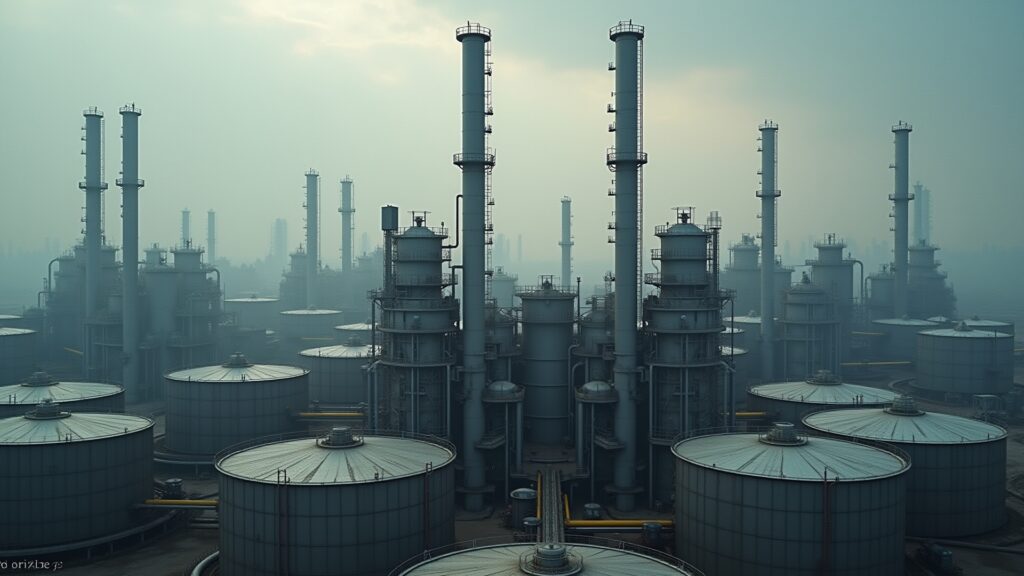
As you navigate the complex landscape of the chemical sector today, the developments unfolding in April 2026 serve as pivotal signals for mapping your strategic priorities. These emerging trends in the chemical industry are not mere incremental changes; they represent fundamental shifts that will determine the competitive positioning of India’s chemicals sector on the global stage. Understanding these dynamics is essential for you—whether you’re steering a manufacturing plant, allocating capital, shaping export strategy, or driving innovation in specialty chemicals.
Why This Matters to You and Your Business
Your success in the Indian chemicals industry hinges on how adeptly you interpret and respond to market signals and operational challenges reflected in the April 2026 trends. Volatility in feedstock pricing, the recalibration of global supply chains, rising energy costs, and tightening sustainability regulations will directly impact your margins, plant utilization, and market reach. The interplay of these factors influences your export competitiveness, investment decisions, and supply chain resilience—each a cornerstone of sustaining growth and leadership in this evolving industry.
What Is Happening in the Chemical Industry in April 2026?
The latest industry digest highlights an environment where growth opportunities in specialty chemicals are counterbalanced by complexities arising from fluctuating feedstock costs and geopolitical trade realignments. India’s industry is witnessing a strategic pivot characterized by:
- Innovation in Specialty Chemicals: There is increasing reliance on technology-driven product portfolios aimed at both domestic industrial users and export markets shaped by China+1 sourcing shifts.
- Manufacturing and Capacity Expansion: Industrial infrastructure and chemical parks are scaling up to enable cost-competitive manufacturing aligned with government incentives.
- Supply Chain Realignment: Greater emphasis on localisation, diversification, and logistics efficiency is redefining raw material sourcing and procurement strategies.
- Sustainability and Regulatory Pressures: Green chemistry and circular economy initiatives are no longer optional but strategic imperatives driving long-term viability.
Key Business and Market Impacts for Your Enterprise
These prevailing trends translate into actionable business challenges and opportunities for you:
- Feedstock and Energy Volatility: Margin pressure mandates optimizing process efficiency and hedging feedstock procurement smartly to guard profitability.
- Export Competitiveness: Emerging regional trade blocs and global sourcing diversification open new corridors for your specialty chemicals and petrochemical exports—but also heighten the need for compliance agility and market intelligence.
- Operational Resilience: Supply chain resilience through strategic localisation reduces risks related to freight volatility and import dependencies, critical for safeguarding production continuity.
- Regulatory Compliance & Sustainability: Aligning with evolving environmental norms and sustainability benchmarks not only ensures market access but also enhances brand and investor appeal.
Strategic Analysis: What You Should Consider Now
In your strategic playbook, these industry trends call for a multifaceted approach that integrates:
- Technology and Process Innovation: Investing in digitization, process intensification, and green chemistry reforms will yield competitive cost structures and product differentiation.
- Supply Chain Diversification and Localisation: Balancing international sourcing with strong domestic supplier networks enhances agility and risk management.
- Capital Discipline and Investment Choices: Prioritize investments with clear returns in capacity expansion projects aligned with government-backed chemical parks and export incentives.
- Policy Engagement and Regulatory Foresight: Staying ahead of policy changes ensures compliance preparedness and leverages government schemes effectively.
“In the chemicals industry, resilience is built as much through procurement and process discipline as through scale.”
“The real edge is not only in producing more, but in producing smarter, cleaner, and closer to where demand is shifting.”
Practical Takeaways for Your Leadership in Chemicals
- Monitor Feedstock Costs and Energy Trends: Develop predictive analytics and supplier hedging strategies to soften margin shocks.
- Enhance Export Strategies: Identify and capitalize on new regional markets, particularly those forming as alternatives to China-centric supply chains.
- Prioritize Sustainability Integration: Embed circular economy principles in product development and manufacturing to meet regulatory and market expectations.
- Optimize Supply Chain Resilience: Develop multi-source procurement and invest in logistic infrastructure improvements to reduce disruptions.
- Engage with Policy and Industry Bodies: Actively participate in shaping favorable regulations and leverage government frameworks supporting chemicals sector development.
Risks and Challenges You Should Be Aware Of
While opportunities abound, be mindful that:
- Feedstock and energy price volatility could sharply affect profit margins if not mitigated timely.
- Geopolitical tensions and trade policy shifts may disrupt export flows and supply continuity.
- Regulatory compliance costs may rise as environmental standards become stringent.
- Without strategic capital allocation, investments could miss alignment with market demand and sustainability trends.
What to Watch Next in the Indian Chemicals Landscape
Stay vigilant on:
- Government announcements on chemical park expansions and export incentives.
- Global trade developments affecting feedstock availability and pricing.
- Innovations in green chemistry and digital manufacturing processes.
- Shifts in industrial demand across key sectors like automotive, pharma, and consumer goods.
Conclusion: Steering Your Business Through April 2026 Chemical Industry Trends
The April 2026 chemical industry trends are more than just market updates—they are strategic inflection points for your business. By understanding these trends through the lens of feedstock economics, specialty chemicals innovation, supply chain resilience, and sustainability priorities, you are better positioned to lead your enterprise with agility and foresight. Embrace these insights to optimize your investments, protect profitability, and secure India’s leadership in the global chemicals landscape.
“When feedstock strategy, manufacturing efficiency, and market timing align, chemicals growth becomes far more defensible.”