As a business leader or investor in the chemicals sector, you are continually navigating a landscape shaped by cost pressures, regulatory shifts, and increasing demands for sustainable practices. Central Europe’s advancing sustainable chemical production is not just a regional phenomenon—it’s a global strategic pivot you cannot afford to overlook. This region’s transformation represents both a challenge and an opportunity for you to rethink your supply chain resilience, investment strategy, and competitive positioning within the global chemicals market.
Why Advancing Sustainable Chemical Production in Central Europe Matters to You
You must recognize that sustainable chemical production in Central Europe is more than aligning with environmental regulations. It is about future-proofing your operations against volatile feedstock costs, evolving market demands, and fragmented supply chains. Investing attention here offers you a competitive edge in accessing growing eco-conscious markets and tapping into emerging technology clusters that prioritize green chemistry and circular economy models.
What Is Driving Sustainable Chemical Production in Central Europe?
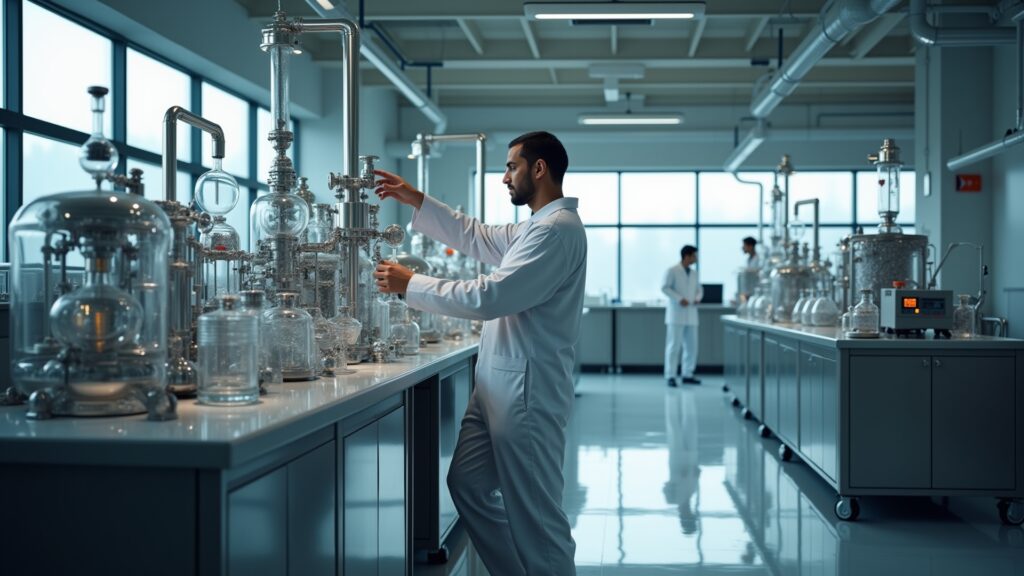
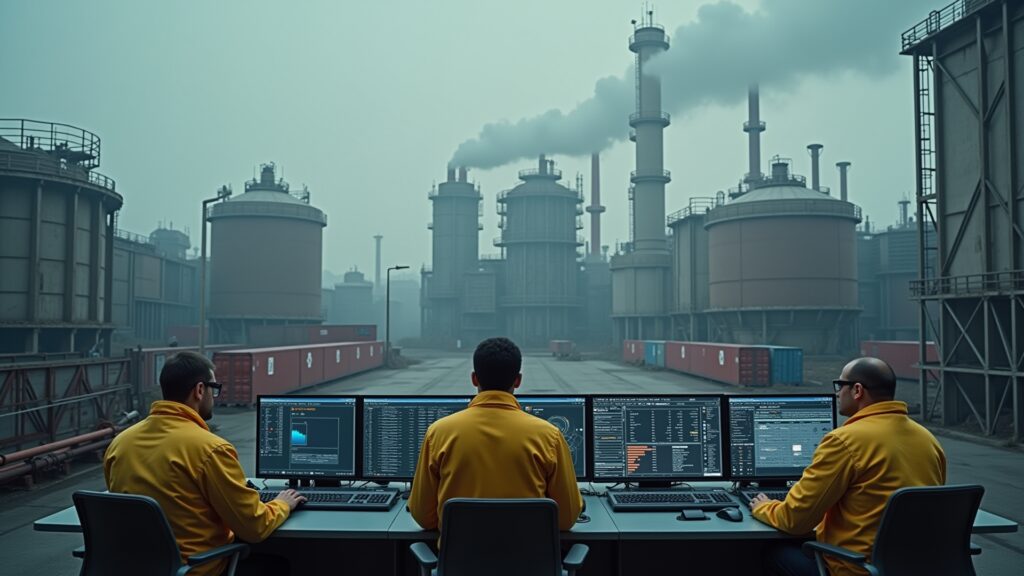
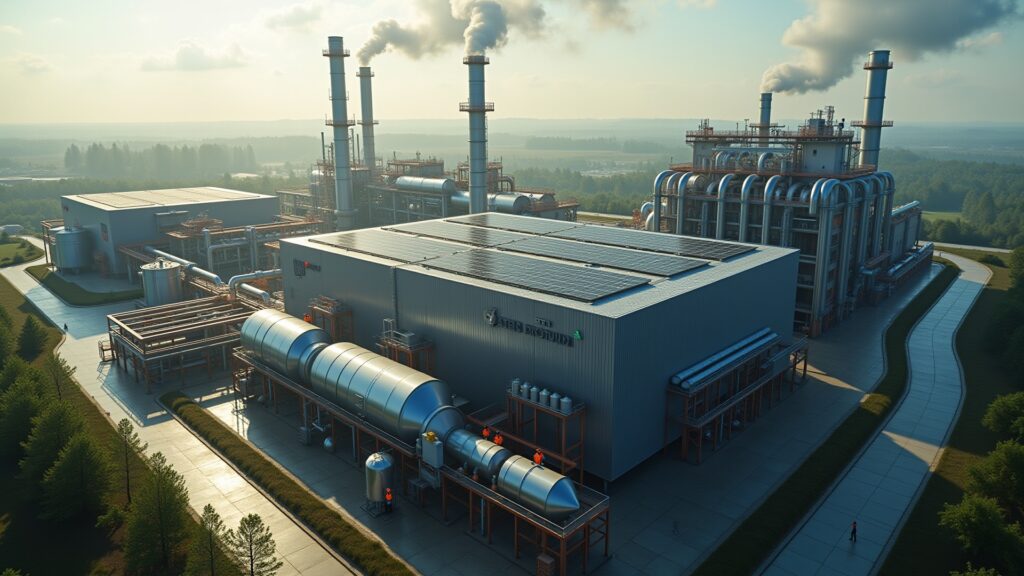
Central Europe’s unique advantages stem from its strategic geographic location and an industrial ecosystem historically rooted in chemical manufacturing. Against a backdrop of tightening European Union environmental policies and carbon neutrality goals, regional governments actively encourage green investments and sustainable processes. This entails upgrading capacity to cleaner technologies, improving energy efficiency, and embracing innovations that reduce carbon footprints and waste generation.
Industry Collaboration and Innovation Ecosystems
Key chemical clusters in countries like Germany, Poland, and the Czech Republic are fostering collaborations among manufacturers, researchers, and policymakers. This synergy accelerates the commercialization of sustainable technologies that you will want to monitor closely, as these innovations can redefine production economics and market competitiveness.
Strategic Impact on Chemicals Manufacturing and Investment
For manufacturers like you, adopting sustainable methods is a strategic lever beyond compliance. It opens pathways to mitigating risks associated with feedstock price swings and supply chain interruptions. Moreover, sustainable processes can differentiate your product portfolio, appealing to end-users across automotive, construction, specialty chemicals, and consumer goods sectors increasingly prioritizing supply chain transparency and eco-friendliness.
Investors targeting specialty chemicals and performance materials should view Central Europe as a thriving hub for sustainable growth. With government incentives and infrastructure enhancements, this region is primed for scaling green chemical production, signaling strong prospects for capital deployment and returns aligned with ESG goals.
“In the chemicals industry, resilience is built as much through procurement and process discipline as through scale.”
Policy Frameworks and Global Trade Realignment
Government policies in Central Europe provide a critical foundation for sustainable chemical expansion. By leveraging EU directives and funding programs, countries are facilitating capacity build-out in green chemistry that you should factor into your market entry, partnerships, and risk assessments.
The rise of Central Europe as a sustainable chemical production base also strengthens the global supply chain diversification narrative, particularly amid the China+1 sourcing strategy. You can consider Central Europe not only as a cost-competitive alternative but as a partner aligned with stringent environmental standards and long-term industrial resilience.
“The real edge is not only in producing more, but in producing smarter, cleaner, and closer to where demand is shifting.”
Practical Takeaways for Chemicals Business Leaders
- Understand Central Europe’s evolving regulatory landscape and its impact on chemical manufacturing compliance and incentives.
- Monitor developments in green technology and collaboration hubs driving process innovations and efficiency gains.
- Assess your feedstock exposure and supply chain risks by exploring alternative sourcing and manufacturing partnerships in Central Europe.
- Prioritize investments that align sustainability with profitability, especially in specialty chemicals and performance materials.
- Explore opportunities for cross-border technology transfer and joint ventures that can enhance your sustainable production capabilities.
Risks and Challenges to Consider
Despite promising prospects, advancing sustainable chemical production in Central Europe involves navigating potential challenges such as the high initial capital expenditure for green technology adoption, regulatory complexity across different countries, and the pace at which supply chain realignment occurs amid global uncertainties. You should anticipate these factors and incorporate them into your strategic planning to mitigate risks effectively.
What You Should Watch Next
Keep an eye on how Central European chemical clusters evolve their sustainable production capabilities and integration with global supply chains. Pay attention to shifts in EU policy that may unlock additional funding or impose new compliance thresholds. Monitor how international chemical companies and investors recalibrate their portfolios in response to emerging sustainable hubs like Central Europe.
“When feedstock strategy, manufacturing efficiency, and market timing align, chemicals growth becomes far more defensible.”
Conclusion: Centering Sustainable Chemical Production in Your Global Strategy
Incorporating sustainable chemical production developments in Central Europe into your strategic framework is no longer optional—it is essential for maintaining global competitiveness and long-term profitability. This region’s trajectory offers valuable insights and tangible opportunities to innovate, expand, and lead in a chemicals industry where environmental stewardship and business pragmatism converge. By engaging with Central Europe’s evolving landscape, you position your company to benefit from the new era of chemical manufacturing that demands smarter, cleaner, and more resilient production methods.