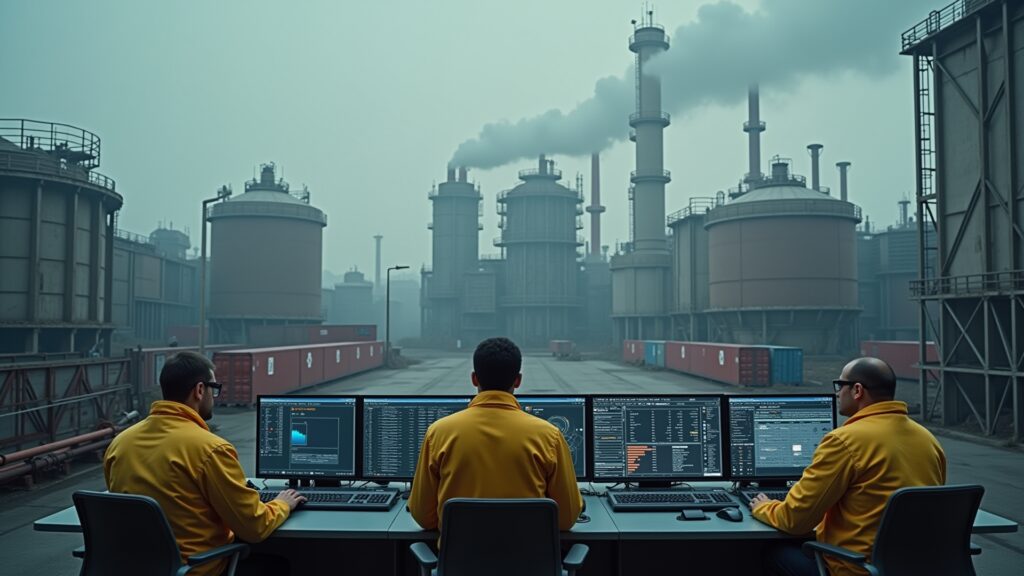
As the geopolitical landscape shifts with escalating tensions in Iran, you face an immediate and significant impact on India’s chemicals industry—particularly in ammonia and gas-dependent chemical production. This disruption, which has led to a steep 30-50% decline in output according to Indian Chemical Council President Ramya Bharathram, directly affects your operational stability, cost structures, and strategic planning. Understanding the nuances of this challenge is critical to navigating one of the most intricate supply chain and feedstock crises the sector has confronted recently.
Why This Development Demands Your Strategic Attention
For you, whether you lead a chemical manufacturing firm, invest in specialty chemicals, or oversee supply chain functions, this production dip signals more than a fleeting crisis. Ammonia-based chemicals and gas-dependent products underpin industries from fertilizers to agrochemicals and specialty compounds—which means any supply disruption cascades across multiple sectors. Your business continuity, margin optimization, and export competitiveness hinge on securing reliable feedstock and adapting to volatile market realities.
The Current Reality: Disrupted Feedstock and Production Constraints
India’s chemical industry heavily depends on natural gas as both feedstock and energy source, especially for ammonia production. The ongoing Iran conflict has exacerbated global gas supply uncertainties and inflated costs, directly translating to a 30-50% production fall in ammonia and related chemical segments. This isn’t just a short-term disruption—it exposes entrenched vulnerabilities in your feedstock sourcing strategies.
The ripple effects extend across your supply chain and exports, with price inflation and reduced volumes undermining your competitiveness internationally. For exporters in particular, this volatility may strain contracts and customer relationships, while manufacturers grapple with operational inefficiencies and potential shutdowns.
Strategic Implications: Where You Must Focus Your Efforts
This crisis compels you to rethink feedstock strategies and operational resilience. Diversification of gas sources beyond the current geopolitically sensitive regions is no longer optional but essential. Localizing raw material sourcing and investing in alternative feedstocks or technologies can insulate your operations from similar shocks in the future.
Capital allocation must prioritize innovations that improve feedstock efficiency and reduce energy consumption. Advancing process technologies, deploying digital solutions for real-time supply chain monitoring, and strengthening storage capacities and chemical parks will enhance your ability to navigate uncertainty.
Policy engagement is another critical dimension. Advocating for supportive infrastructure investments and international partnerships can facilitate access to alternative resources and build larger, more resilient chemical hubs.
Forward-Looking Insights: Turning Disruption into Opportunity
While the current production impact of ammonia and gas-dependent chemicals in India poses immediate risks, it also forces you to accelerate sustainability and circular economy initiatives. Green ammonia development and renewable gas exploration stand out as viable pathways to reduce dependency on volatile fossil feedstocks.
Furthermore, India’s alignment with the China+1 strategy positions you to capture shifting global supply chains by building competitive, cost-efficient chemical manufacturing hubs that emphasize reliability and supply chain resilience.
“In the chemicals industry, resilience is built as much through procurement and process discipline as through scale.”
Strategic agility—leveraging feedstock diversification, technological innovation, and policy alignment—will be your strongest asset in a market governed by external volatility.
Key Takeaways: How You Should Respond
- Understand the Depth of Exposure: Evaluate your current feedstock risks, focusing keenly on ammonia and natural gas dependencies.
- Monitor Geopolitical Developments: Stay informed on international conflicts and sanctions that influence global gas markets.
- Drive Feedstock Diversification: Invest in securing alternative sources, including indigenous and renewable options.
- Invest in Process Innovation: Prioritize energy-efficient, feedstock-saving technologies to protect margins.
- Engage Policymakers: Advocate for infrastructure projects that bolster storage, park development, and international collaboration.
- Leverage Global Supply Chain Trends: Position your operations to benefit from the China+1 strategy and increasing global diversification.
What Lies Ahead: Monitoring and Managing Risk
The road forward requires vigilant monitoring of geopolitical tensions and energy market evolutions. You must be prepared for continuing price volatility and potential supply shortfalls. Building operational flexibility—not just scale—through digital transformation and strategic risk management will mitigate impacts effectively.
Another challenge is balancing short-term adjustments with long-term sustainability goals. The imperative to reduce carbon footprint and comply with environmental regulations must align seamlessly with supply security and cost efficiency objectives.
“The real edge is not only in producing more, but in producing smarter, cleaner, and closer to where demand is shifting.”
Conclusion: Navigating the Production Impact of Ammonia and Gas-Dependent Chemicals in India
You stand at a strategic crossroads as the production impact of ammonia and gas-dependent chemicals in India reshapes the chemical sector’s landscape. This disruption highlights systemic feedstock vulnerabilities but equally unlocks opportunities to innovate, diversify, and lead in sustainable manufacturing. Your response—grounded in strategic foresight, operational agility, and industry collaboration—will determine your competitive positioning in an increasingly complex global market.
Emerging from this challenge stronger means incorporating feedstock diversification, process innovations, and policy engagement into your core business strategy. These steps will not only secure continuity but also transform your portfolio for a more resilient and profitable future.
“When feedstock strategy, manufacturing efficiency, and market timing align, chemicals growth becomes far more defensible.”