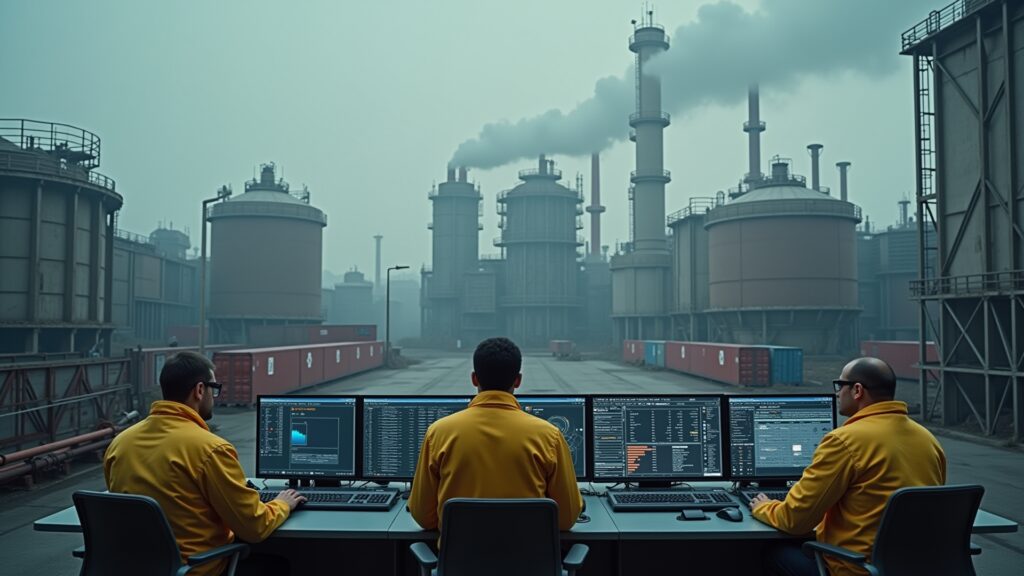
The Iran conflict is no longer a distant geopolitical headline—it is a pivotal challenge shaping your operations, strategies, and risk management in the global chemicals industry. As the turmoil escalates, its impact ripples decisively through petrochemical feedstock availability, supply chain continuity, trade flows, and cost structures that directly influence your business’s competitiveness and profitability.
Why This Matters to You
If you lead or invest in chemicals manufacturing, petrochemicals processing, or specialty chemical exports, the developments in Iran demand your close attention. The conflict threatens critical raw materials and trade routes that underpin your production economics and market access. These disruptions not only pressure your margins but also compel you to rethink sourcing strategies, supply chain resilience, and geographical footprint to preserve strategic advantage amid uncertainty.
Understanding the Current Dynamics
Iran holds a significant position on the global petrochemical map. Its vast reserves of crude oil and natural gas liquids are fundamental feedstocks for producing a broad range of chemicals. The conflict introduces heightened risk of supply interruptions through operational disruptions or sanctions. Given Iran’s geographic importance in connecting Middle East transit corridors with Asian, European, and African markets, the situation threatens logistics reliability and shipping routes—channels you rely on to keep your supply chains fluid and competitive.
Key Business and Market Implications
The immediate business impact manifests as volatility in feedstock prices and availability—variables that directly affect your manufacturing cost base and production planning. Commodity chemicals sectors are particularly vulnerable as margin compression intensifies with unpredictable input costs. Additionally, supply chain uncertainties prompt increased lead times and logistical costs.
From a broader market perspective, exporters must navigate a shifting global trade landscape, as bottlenecks and sanctions encourage re-routing of shipments and recalibration of sourcing networks. This realignment opens opportunities for countries like India to strengthen their role as reliable chemical manufacturing hubs — benefitting from increased investments and trade flows redirected from the Mideast.
Strategic Insights for Industry Leaders
As a decision-maker, this geopolitical disruption accelerates the urgency to diversify your feedstock and supplier base beyond Iran and volatile regions. The ongoing “China+1” diversification trend gains traction here, prompting you to deepen investments in more stable and integrated chemical park ecosystems, such as those rapidly developing in India.
Investing in localizing feedstock procurement and enhancing operational agility through digital and process innovations positions your enterprise to better absorb shocks. Equally, embedding sustainability and green chemistry in your manufacturing practices provides future-proofing against evolving regulatory and market pressures.
“In the chemicals industry, resilience is built as much through procurement and process discipline as through scale.”
Practical Takeaways: Navigating Complexity and Opportunity
- Monitor feedstock supply risks: Keep close watch on disruptions and pricing trends for crude oil and natural gas derivatives sourced from Iran and neighboring regions.
- Reevaluate your supply chain footprint: Identify dependencies on unstable transit routes and consider alternate logistics corridors and local sourcing.
- Accelerate diversification: Embrace China+1 strategies with a focus on emerging hubs like India to mitigate geopolitical risk.
- Invest in chemical park infrastructure: Integrated parks improve supply reliability, cost efficiency, and compliance capabilities.
- Champion sustainability: Incorporate green chemistry to reduce regulatory exposure and enhance market appeal.
Expert Perspective
“The real edge is not only in producing more, but in producing smarter, cleaner, and closer to where demand is shifting.”
“When feedstock strategy, manufacturing efficiency, and market timing align, chemicals growth becomes far more defensible.”
Risks and Challenges Ahead
While redefining your supply and manufacturing strategy, be mindful of the costs and timeline involved in supply chain restructuring and the potential for further geopolitical escalation. Compliance with sanctions and regulatory frameworks demands meticulous attention, as violations can result in severe penalties and reputational damage.
Moreover, the volatile energy market backdrop compounds uncertainty, demanding robust scenario planning and agile financial management to protect margins and earnings.
What You Should Watch Next
Stay attentive to developments in regional diplomacy, sanction regimes, and energy market indicators that influence Iran’s role in petrochemical feedstocks. Watch the progress and policy shifts in emerging hubs such as India that are set to become critical anchors for your global supply chain and export strategy.
Conclusion
The Iran conflict chemicals industry impact is not just a headline—it is a strategic fulcrum shaping how you navigate risk, optimize supply chains, and position your business in an evolving global landscape. By embracing diversification, localizing critical inputs, and innovating for sustainability and resilience, you can transform geopolitical challenges into competitive advantage. As the global chemicals ecosystem realigns, your ability to anticipate, adapt, and invest wisely will define the trajectory of your success.