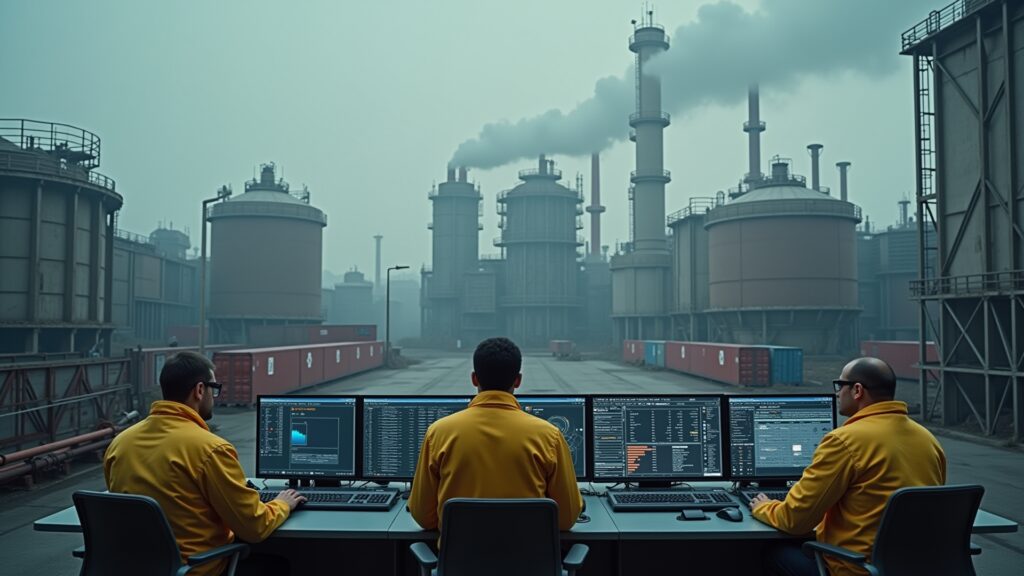
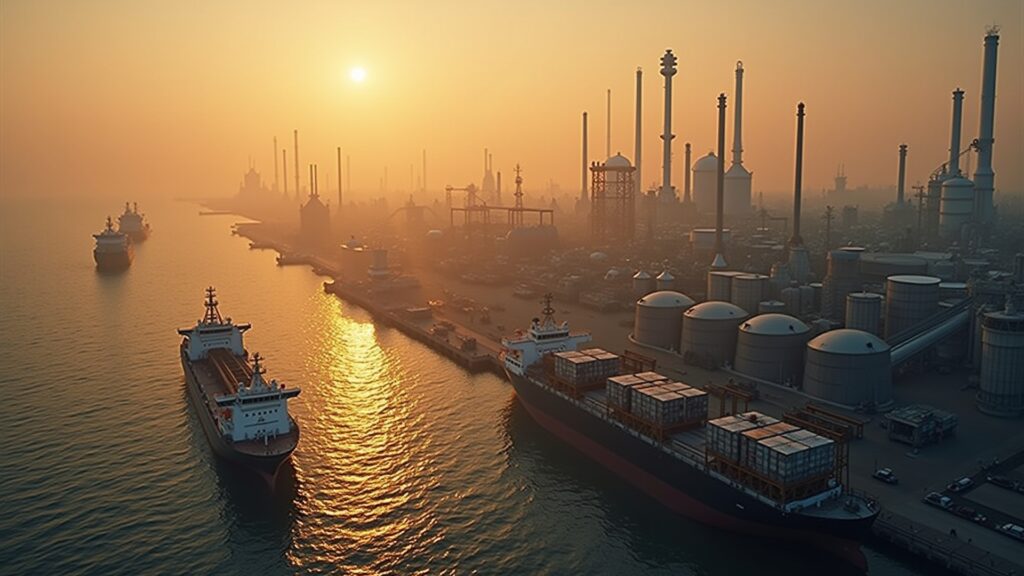
The prolonged closure of the Strait of Hormuz is more than a geopolitical event; it is a defining disruption that directly impacts your business’s operational dynamics and strategic outlook in the chemicals industry. As a critical conduit handling about one-third of the world’s seaborne oil exports, this chokepoint’s sustained shutdown is poised to keep oil and petrochemical feedstock prices elevated for the foreseeable future. Understanding why this matters to you—and how it reshapes the chemical manufacturing landscape—is essential for steering your enterprise through rising costs and supply uncertainties.
Why This Development Matters to You and Your Business
Whether you oversee a petrochemical plant, manage procurement for specialty chemicals, or strategize export expansion, persistent disruptions at the Strait of Hormuz ripple through every facet of your operations. Elevated feedstock prices translate into higher production costs, squeezing margins and challenging your pricing power amid fluctuating demand. Moreover, constrained supply chains compel you to rethink sourcing strategies and regional dependencies, while regulatory and sustainability pressures demand innovation to mitigate cost impacts without compromising environmental commitments.
What Is Happening in the Strait of Hormuz and Its Broader Implications
The Strait of Hormuz is a strategic maritime passageway essential for transporting crude oil and refined petroleum products that feed into chemical manufacturing globally. Its ongoing closure restricts the flow of these crucial feedstocks, triggering tight global energy markets and upward pressure on oil derivative prices. Given that petrochemical feedstocks are primarily hydrocarbon-based, you face an environment where raw material volatility becomes a persistent feature rather than a temporary spike.
Key Business and Market Impacts on Chemicals and Petrochemicals
Strained feedstock supplies and elevated costs compound existing challenges: uneven recovery in industrial demand, margin pressures, and supply chain fragmentation. For petrochemical producers dependent on hydrocarbons, operational expenses will rise sharply, compelling you to reassess pricing models and cost pass-through mechanisms. Specialty chemicals, though often insulated by differentiated portfolios, are not immune to inflationary pressures in energy and raw materials.
Additionally, the closure accelerates diversification imperatives within your supply chain. The “China+1” approach gains further momentum, as companies seek to reduce overreliance on single sources or routes. Investments in alternative logistics corridors, domestic feedstock production, and integrated chemical parks become critical strategic moves to enhance resilience and localize critical value chains.
India’s Chemicals Industry: Navigating Risk and Unlocking Opportunity
India stands at a pivotal crossroads as a fast-growing hub in chemicals and petrochemicals amid this upheaval. Elevated feedstock costs present manufacturing cost challenges but also spotlight the strategic importance of moving up the value chain—focusing on specialty chemicals and downstream integration to enhance export competitiveness.
You should watch for policy frameworks that support infrastructure expansion, chemical park development, and renewable energy deployment. Embracing green chemistry, process innovation, and circular economy principles will enable you to not only absorb cost shocks but also to position Indian chemical firms as global leaders in sustainable transformation.
Strategic Insight: How to Adapt and Capitalize on This Shift
With sustained higher prices likely for feedstocks and energy, your strategic priorities must emphasize capital discipline and selective investment. Focus on upgrading technology for manufacturing efficiency, strengthening portfolio resilience, and securing feedstock supply through partnerships or acquisitions.
“In the chemicals industry, resilience is built as much through procurement and process discipline as through scale.”
Localization of feedstock sourcing and advancing process innovation to reduce dependency on volatile imports will be key differentiators for sustainable profitability. Implementing advanced analytics and digital tools for demand forecasting and supply chain transparency can further mitigate risks and refine cost management.
“The real edge is not only in producing more, but in producing smarter, cleaner, and closer to where demand is shifting.”
Practical Takeaways for Chemicals Industry Leaders
- Understand: Recognize that prolonged Strait of Hormuz closure means sustained high feedstock prices, requiring proactive cost management.
- Monitor: Stay alert to geopolitical developments, energy price trends, and regional policy changes impacting supply chains.
- Strategize: Diversify sourcing aggressively, adopt the China+1 approach, and invest in integrated chemical parks to boost supply resilience.
- Innovate: Prioritize green chemistry, circular economy initiatives, and process efficiencies to offset cost inflation.
- Invest: Exercise capital discipline, focusing on tech upgrades, feedstock security, and portfolio rationalization for long-term competitiveness.
Risks and Challenges Ahead
You cannot ignore the heightened volatility in energy markets, which complicates cost forecasting and pricing stability. Prolonged elevated costs may compress margins, especially for commoditized chemical products, increasing pressure on your operational efficiency. Additionally, global trade realignments may introduce complexity in logistics and regulatory compliance, with tariff and policy shifts adding to uncertainty.
Supply chain fragmentation may exacerbate lead times and inventory management challenges, requiring you to invest in agility and risk mitigation frameworks. In parallel, balancing sustainability commitments with cost pressures will test your innovation capabilities and corporate resilience.
What You Should Watch Next
Keep a close eye on developments around the Strait of Hormuz clearance prospects and alternative regional route expansions. Track India’s evolving chemical industry policies, infrastructure projects, and renewable energy initiatives, as these will shape your local and global operations. Monitor shifts in industrial demand across key sectors such as automotive, construction, pharmaceuticals, and consumer goods, to better anticipate downstream market trajectories.
Finally, watch for M&A activity and strategic partnerships that reflect a realignment driven by feedstock security and technological advancement—these will be bellwethers for the industry’s future shape.
Conclusion: Navigating Structural Shifts Amid Prolonged Strait of Hormuz Disruption
The prolonged closure of the Strait of Hormuz is not merely a temporary disruption but a catalyst for strategic recalibration in the chemicals sector. You face higher and sustained feedstock cost pressures that challenge traditional procurement and manufacturing paradigms. Yet, embedded in these challenges are opportunities to diversify supply chains, innovate in sustainable manufacturing, and capitalize on India’s emergence as a strategic chemicals hub.
By anticipating these shifts and acting decisively on diversification, technology investment, and regulatory alignment, you position your business not only to survive but to thrive amid evolving global market dynamics.
“When feedstock strategy, manufacturing efficiency, and market timing align, chemicals growth becomes far more defensible.”