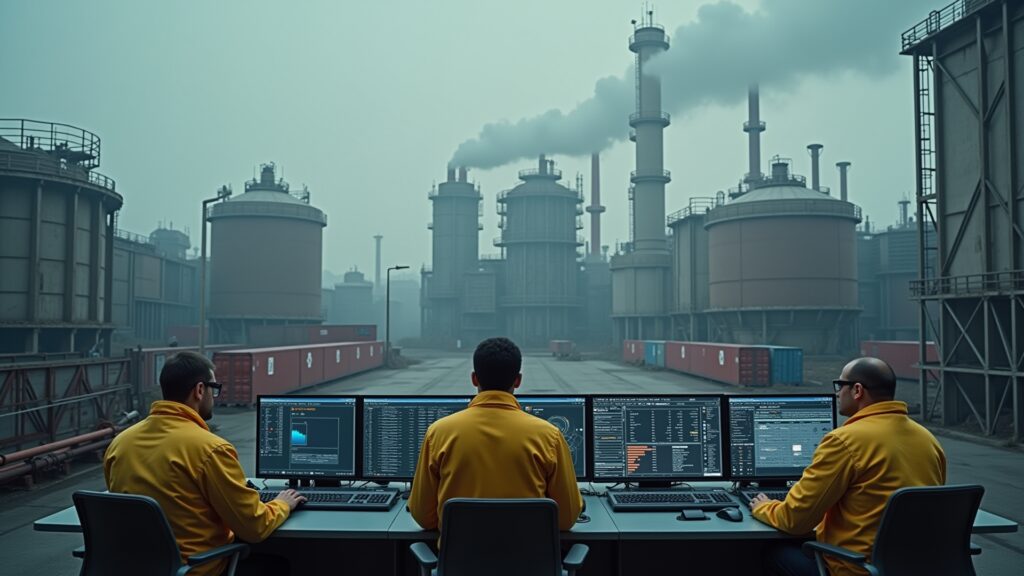
The chemicals industry is not just evolving—it is undergoing a fundamental transformation that you cannot afford to overlook. A recent KPMG report highlights a $37 billion shift reshaping chemical production, investment, and supply chains globally. For your business and the broader Indian chemicals ecosystem, this is a clarion call to reassess strategies, pivot operations, and seize emerging opportunities within this dynamic landscape.
Why This Shift Should Command Your Attention
This $37 billion realignment is more than a headline—it signals a tectonic change in how chemicals manufacturing and trade are structured worldwide. Geopolitical pressures, supply chain recalibrations, and the China+1 strategy are redefining where and how chemicals are produced and delivered. As someone invested in the Indian chemicals sector, recognizing this shift enables you to anticipate market changes, optimize capacity, and enhance supply chain resilience.
The Core of the Transformation: What’s Happening Now
KPMG’s findings point to a geographical shift in chemical production hubs, coupled with changing demand patterns that influence feedstock procurement and logistics. Globally, companies are moving beyond reliance on traditional centers, expanding their footprint to more diversified, cost-effective, and resilient locations. India’s rising stature in specialty chemicals, supported by policy incentives and growing chemical parks, positions you advantageously in this pivot.
Business Impact: Navigating Specialty Chemicals and Industrial Manufacturing
The report sheds light on how specialty chemicals, together with industrial chemicals and petrochemicals, are at the forefront of this market realignment. Your leadership must factor in emerging challenges such as feedstock volatility, fluctuating energy costs, and evolving industrial demand. These dynamics will directly affect your profitability and decisions on capacity expansion or operational agility.
“In the chemicals industry, resilience is built as much through procurement and process discipline as through scale.”
Supply Chain Resilience and Export Competitiveness: Your Tactical Frontier
Supply chain strategy takes on new urgency amid this realignment. Increasing import dependencies demand a fresh look at feedstock security and sourcing diversification. You can capitalize on India’s strengths to elevate global export competitiveness—aligning product offerings with the shifting global demand and sustainability mandates.
Policy measures enhancing chemical parks and infrastructure development are crucial enablers. Leveraging these initiatives will enable you to scale manufacturing efficiently and access new export markets while embedding green chemistry principles and sustainable practices.
Strategic Insight: Aligning Investment and Policy to Win
Investment must flow to companies demonstrating innovation in process efficiency and sustainable production. For your enterprise, this means adopting cutting-edge technologies, strategic partnerships, and potentially restructuring your portfolio to focus on high-margin specialty chemicals segments.
Policy agility is also essential. Ongoing regulatory support for compliance ease, capital discipline, and technology adoption will dictate how quickly and effectively you respond to this $37 billion shift.
“The real edge is not only in producing more, but in producing smarter, cleaner, and closer to where demand is shifting.”
Practical Takeaways: What You Should Prioritize Now
- Understand the evolving feedstock landscape and its implications for input costs in your manufacturing processes.
- Monitor shifts in global chemical demand centers, especially those driven by the China+1 strategy and supply chain diversification.
- Focus on integrating sustainability and green chemistry in your product portfolio and operations to meet policy and market expectations.
- Invest in digital transformation and process innovation to boost efficiency and reduce environmental footprint.
- Engage with industry policy dialogues to influence favorable frameworks for capital allocation and infrastructure support.
Potential Risks and Challenges to Consider
While the opportunity is substantial, you must navigate volatility in feedstock availability and energy pricing carefully. Protectionist trade policies in certain regions could disrupt export plans. Additionally, aligning legacy manufacturing with sustainability goals requires capital investment and cultural shifts that can be challenging.
What You Should Watch Next
Keep a close eye on policy announcements related to chemicals parks, export incentives, and environmental regulations in India. Monitor emerging partnerships and M&A activities that could reshape competitive dynamics. Stay informed of shifts in global industrial demand patterns, particularly in automotive, pharma, and construction sectors, which drive chemicals consumption.
“When feedstock strategy, manufacturing efficiency, and market timing align, chemicals growth becomes far more defensible.”
Conclusion: Seizing the Opportunity in KPMG’s $37 Billion Shift
This $37 billion shift mapped by KPMG is a strategic signal for you to realign your chemicals manufacturing, supply chain resilience, export focus, and investment priorities. For India’s chemicals industry, it is an inflection point that offers a unique chance to boost global competitiveness, especially in specialty chemicals. By embracing innovation, sustainability, and strategic foresight, you can position your enterprise to thrive in a more diversified and resilient global chemicals market.